
The Role of UX in Wellness Apps: Designing for Lasting Impact

Volodymyr Irzhytskyi
COO & Co-founder
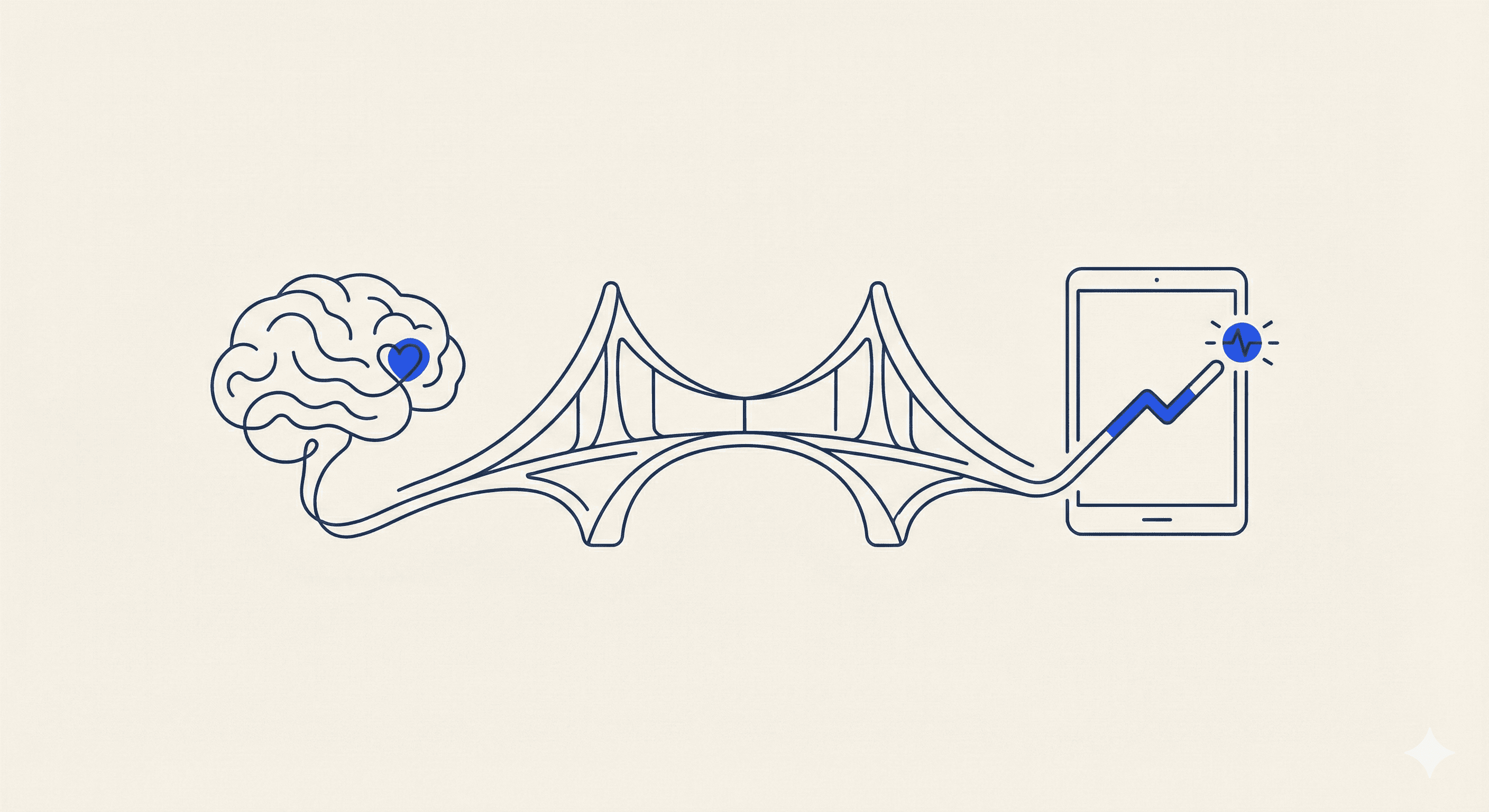
In the booming wellness tech industry, user experience is more than a design discipline — it’s the bridge between human psychology and digital health. While many apps promise transformation, only a few manage to sustain engagement beyond the first few weeks. The secret lies not in marketing or features, but in UX that feels human, guiding users through motivation, relapse, and growth.
Why UX Matters More Than Ever in Wellness
A wellness app is not like a social media platform where users come to scroll; it’s an intimate digital space where people seek support, structure, and self-improvement. This makes UX both a science and a responsibility. Every pixel, notification, and interaction carries emotional weight — it can either build trust or trigger drop-off.
At CipherCross, we see UX as the backbone of long-term wellness success. It’s what turns a routine tracking app into a trusted daily ritual. Let’s unpack how great UX achieves that — and what wellness startups can learn from leading designs in the space.
1. Emotional Design: Creating Digital Empathy
Wellness is an inherently personal matter, shaped by the journey that one has taken as she seeks it. People often come to wellness apps in a time of vulnerability, looking for tools to help them fight anxiety or tools that will build better habits or even get back the feeling of control over their physical and mental health. That is the reason why emotional design becomes the cornerstone for building an effective user experience within this particular space.
Superior UX goes past offering clear direction; it recognizes and reflects the feelings of the user.
This happens by careful focus on what appears small but carries much weight: applying soft and calm color shades to bring a feeling of peace, adding microcopy that inspires with kindness, not commanding with strength, and putting in place smooth animations that reduce mental effort.
Think, for example, of a meditation app that greets its users with an affectionate yet assertive welcome— “Welcome back- today you’ve taken an important step for yourself.” That’s just a simple phrase, but it bears great emotion inside it. It nurtures accomplishment by offering encouragement and validation to the person who has done well rather than showing impersonal data or metrics. In digital wellness, something known as moments has been significantly brought up by UX people. Moments are technically referred to as the principle of affective interaction, and design those parts or steps within the journey that create positive feelings inside the user.
Unlike the normal, stringent, and metric-bound way-“You missed three workouts”- it is rather an effective interaction that prioritizes understanding and empathy- “You took a break-are you ready to start again?” This framing needs to be equally compassionate about the struggles involved in bettering oneself, but motivating to carry on with the journey, sans stopping because of guilt.
In this area, the interface turns into something more than a mere tool. It evolves into an empathetic guide—a therapist or coach who listens patiently, considers carefully, and responds warmly. The best wellness apps combine such empathy with minimalism in their interfaces by narrowing options to help beat decision fatigue so users can focus on maintaining momentum toward the right goal rather than chasing an often elusive state of perfection.
CipherCross takes the first step toward this philosophy by developing human-centered UI patterns, putting at the very core of its existence an emotional connection. Through features like gentle and welcoming onboarding flows, notifications with affirmations, and optional reflection prompts, meaningful micro-interactions are created that can sit deep with users.
2. Behavioral UX: Driving Motivation Through Design Psychology
UX design in wellness goes beyond usability; it’s about behavioral architecture. Every layout, button, and notification has psychological consequences.
Behavioral UX applies principles from cognitive psychology and habit formation to drive engagement without manipulation. One of the most powerful models here is BJ Fogg’s Behavior Model, which explains that a behavior happens when motivation, ability, and a trigger converge at the same moment.
In wellness apps, this might translate to:
Motivation → A user wants to feel calmer or fitter.
Ability → The app provides simple, guided exercises.
Trigger → A timely, personalized notification invites action.
When these three align, engagement feels effortless. But when one is missing, users churn.
Great UX anticipates these gaps. It uses progressive disclosure to prevent overwhelm (revealing information gradually), nudges that align with user goals, and visual reinforcement (like streaks or progress rings) to sustain motivation.
However, ethical design is key. Many fitness apps overuse gamification, leading to pressure instead of empowerment. True behavioral UX in wellness must support autonomy — helping users act because they want to, not because the system pressures them to.
CipherCross helps wellness startups build this kind of motivation loop responsibly: balancing habit design with compassion. Instead of relying on endless reminders, we design environments that make healthy behavior the default. For example, simple onboarding that asks, “How do you want to feel?” reframes the journey from a checklist to a purpose-driven mission.
3. Personalization: Turning Data into Connection
If emotion builds trust and behavior sustains engagement, personalization deepens loyalty. In wellness, no two users have the same goals or triggers — yet most apps still offer identical experiences.
The future of UX in wellness is adaptive design: systems that listen, learn, and evolve with the user. Personalized UX doesn’t just mean name-based greetings or custom dashboards; it’s about contextual understanding.
Imagine a wellness app that recognizes when your sleep quality drops and automatically adjusts your morning meditation length. Or one that detects stress patterns through wearable data and recommends breathing exercises at the right moment.
This level of personalization transforms passive tracking into active support. It creates a feedback loop where users feel seen, not just monitored.
But personalization must be responsible. Over-collection of data can lead to discomfort and distrust. That’s why modern UX must be transparent, explaining why certain data is used and giving users control over it. Transparency builds credibility — and in wellness, credibility is retention.
CipherCross integrates this philosophy through human-centered data ethics — using data to enhance care, not control. By designing dashboards that emphasize meaning (“Your sleep improved 10% this week”) instead of pure numbers, we keep users emotionally connected to progress.
4. Seamless Journeys: From First Use to Lifelong Habit
A wellness app’s UX journey doesn’t end after onboarding — that’s where it begins. The real challenge is sustaining the user’s momentum through intuitive navigation and meaningful reinforcement.
Effective UX design maps out the entire wellness lifecycle: from awareness to consistency.
The onboarding stage builds trust and curiosity.
The growth stage nurtures motivation.
The maintenance stage prevents fatigue and drop-off.
Each phase demands a unique UX tone. Early interactions must feel inspiring; later ones must feel rewarding and stable.
Wellness users often cycle through motivation peaks and lows. Instead of punishing inactivity, great UX designs for graceful re-entry — gentle check-ins, reminders of progress, and the reassurance that starting again is always welcome.
This emotional continuity turns apps into companions. It’s why some wellness platforms achieve 12-month retention rates far above the industry average — they design not for perfection, but for return.
At CipherCross, we implement “flow mapping” — visualizing how users move across time, emotion, and environment. This helps identify friction points and emotional drop-offs. The result? Seamless experiences that grow with the user, not against them.
The Human Future of Wellness UX
The evolving landscape of wellness applications is moving beyond a race for cutting-edge features or even advancements in AI. The true battleground for the next generation of these tools will be their ability to excel in emotional intelligence. Today’s users are not searching for endless streams of data—they’re looking for meaningful guidance, genuine empathy, and a sense of clarity in their journey toward better health and well-being.
A thoughtfully crafted user experience has the power to elevate a wellness product, transforming it into something far more impactful than just an app — a personal coach. This coach intuitively understands when to inspire and motivate, when to quietly listen, and when to respect the user's need for space. It's about cultivating a connection that feels responsive, supportive, and dynamic, mirroring the nuances of human interaction.
For us at CipherCross, the essence of future digital wellness lies in creating designs that feel truly alive. These designs should be emotionally attuned, intelligently adaptive to behavior, and deeply personalized to the individual user's needs. When a user experience is capable of understanding the real person behind the screen, technology transcends its boundaries, becoming something it was always meant to be: a genuine partner in well-being.
By collaborating with CipherCross, you gain the opportunity to co-create wellness applications that evoke a sense of humanity. Our mission is to empower wellness pioneers with the tools to innovate empathetically, building products that users can trust, find a sense of loyalty with, and ultimately evolve alongside. Let’s redefine digital wellness together — one empathetic design at a time.
Dive into our diverse articles – from wellness app design and AI personalization to software development best practices, operational workflows, and strategic guidance.



Load More