
What Gen Z Expects From Wellness Apps

Mykyta Shevchenko
CEO & Co-founder

The wellness industry is experiencing a profound generational shift. For years, digital health technology focused on quantitative metrics: tracking steps, counting calories, and calculating sleep cycles. This data-heavy approach worked well for Millennials, who embraced the quantified-self movement. However, as Generation Z matures into a major economic force, their expectations for wellness software are radically different.
Introduction: The Shift in Digital Wellness
Gen Z does not view wellness as a series of isolated metrics or occasional self-care routines. For this generation, wellness is an integrated lifestyle. It is fluid, encompassing mental, emotional, social, and physical health simultaneously. Because they are the first true digital natives, they have a remarkably low tolerance for clunky interfaces, superficial features, and generic advice. They expect the applications they use to be as intuitive, responsive, and personalized as the social platforms they browse daily.
For product managers, UX/UI designers, and healthtech founders, understanding Gen Z consumer behavior is no longer optional - it is a baseline requirement for survival. If your wellness app feels like an administrative tool or a clinical checklist, you will lose this demographic.
This comprehensive guide explores what Gen Z actually expects from wellness apps, backed by current digital health trends, design principles, and actionable development strategies.
Holistic Health Over Single-Metric Tracking
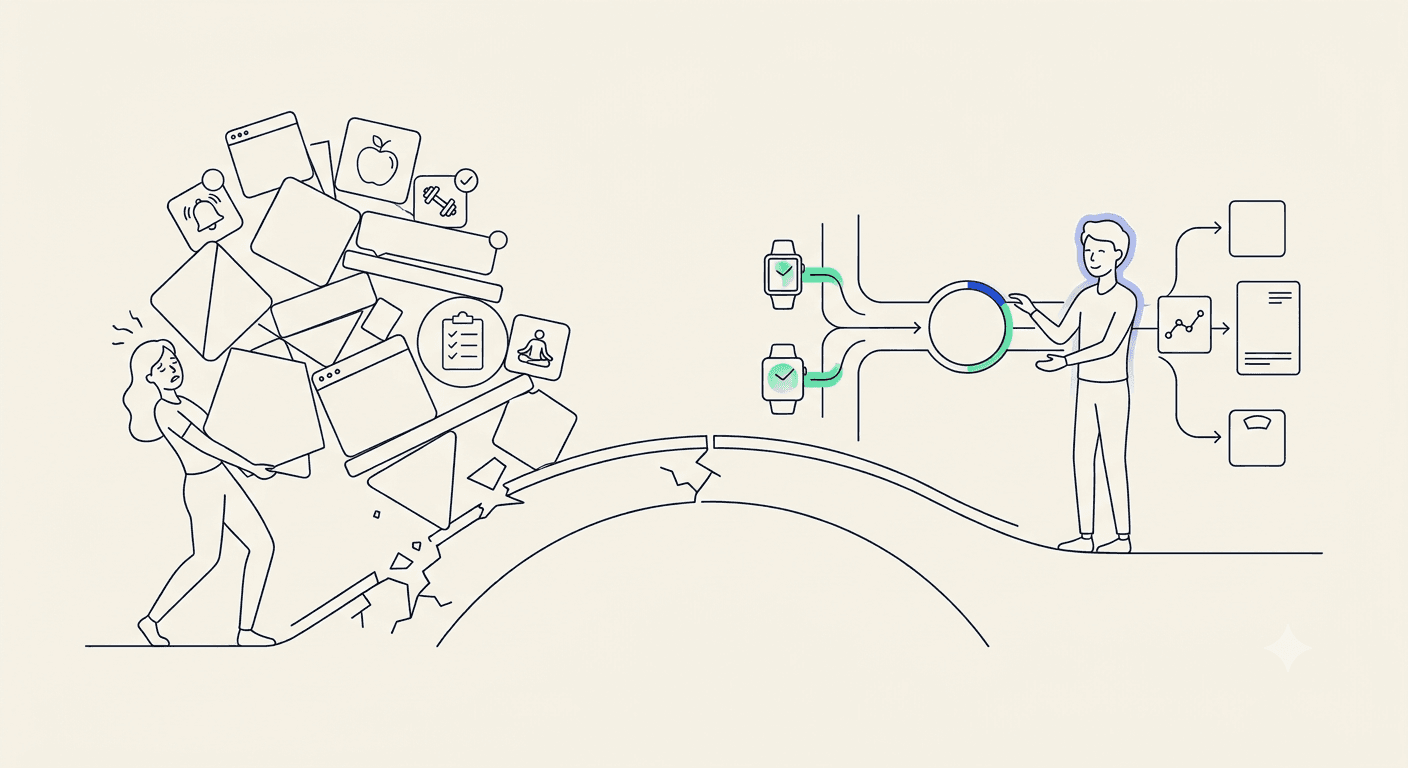
Traditional healthtech app development often relies on a fragmented approach: one app for running, one for meditation, and another for food logging. Gen Z is actively moving away from this compartmentalized view of health. They look for ecosystem-based solutions that recognize the connection between mind and body.
The Interconnection of Mind and Body
To Gen Z, mental health is physical health. If an individual experiences high stress levels, it directly affects their sleep pattern, digestive system, and physical performance. A wellness app that only tracks running distance while ignoring emotional stress feels incomplete to a young user.
When designing a modern wellness platform, incorporate features that allow users to connect different areas of their lives. For example, instead of just displaying a daily step count, show how physical activity correlates with mood improvements or better sleep quality. By visualizing these connections, your application offers genuine, actionable value rather than raw, contextless data.
Consider a holistic user dashboard where physical activity and mental well-being are displayed together. For instance, the app might show eighty-five hundred completed steps alongside a calm mood state and low stress level. Underneath, a dynamic insight would explain that your sleep quality improved by fifteen percent on days when you completed your active movement goals before six in the evening.
From Aesthetics to Real Functionality
While clean aesthetics are important, Gen Z prioritizes functional versatility. They want apps that adapt to their changing daily routines. If a user is feeling fatigued, the app should adjust its recommendations - perhaps suggesting a gentle yoga session or a breathing exercise rather than prompting them to complete a high-intensity workout. This level of adaptability requires a dynamic content delivery system and flexible database architecture, areas where CipherCross digital solutions specialize.
Hyper-Personalization via Smart Data Architecture
Generic onboarding flows and one-size-fits-all recommendations are among the fastest ways to lose a Gen Z user. They expect an app to learn their preferences, habits, and goals from the very first session. This demand goes far beyond inserting their first name into a push notification.
Beyond Basic Profiles
True personalized wellness requires a sophisticated backend architecture capable of processing user behavior in real time. Static questionnaires filled out during onboarding provide a starting point, but they quickly become outdated. The app must continuously analyze how the user interacts with the platform:
What time of day do they open the app?
Which features do they engage with longest?
At what point do they abandon a session?
By tracking these interaction patterns while respecting user privacy, your platform can adjust its interface, suggest relevant content, and send notifications that feel timely rather than intrusive.
Dynamic Content Curation
Consider a wellness app that offers guided audio sessions for stress relief. Instead of presenting a static list of popular tracks, the app should dynamically curate suggestions based on the user's current environment, local time, and self-reported state of mind. If the system detects it is eleven o'clock on a Sunday night and the user reported feeling anxious, the home screen should immediately surface a specific sleep-induction exercise.
Building these responsive systems requires a robust data pipeline. When developing apps at CipherCross, we focus on building scalable, secure architectures that handle real-time personalization without sacrificing performance or load times.
UI/UX Design: Intuitive, Minimalist, and Calming
Gen Z grew up with highly polished software. They possess an intuitive understanding of digital navigation and have no patience for confusing layouts, slow loading screens, or cluttered interfaces. In the wellness space, the visual and interactive design must actively promote a sense of calm.
The Visual Language of Wellness
The visual identity of a wellness app should reflect its core purpose. Heavy, dark interfaces or overly aggressive, bright primary colors can feel jarring. Instead, successful wellness apps often utilize:
Muted, natural palettes like earth tones, pastel greens, and soft blues to reduce visual fatigue.
Generous whitespace to lower cognitive load and prevent feelings of overwhelm.
Organic, rounded shapes in user interface elements to create a welcoming, soft feel.
Clean, highly legible typography that reads effortlessly across various devices.
Every design choice should serve to lower the user's cognitive load, making the act of opening the app a soothing experience in itself.
Micro-Interactions and Kinetic Feedback
Micro-interactions are the subtle animations that occur when a user performs an action, such as a gentle pulsing effect when holding a button to log a meditation session, or a smooth transition when switching between tabs. These small details provide tactile, satisfying feedback. For Gen Z, these micro-interactions make an app feel premium, responsive, and alive.
However, moderation is key. Overly flashy or slow animations can quickly become annoying. The goal is to make the interface feel light, fluid, and natural.
Gamification That Empowers, Not Exhausts
Gamification in health has been a popular trend for years, but the way Gen Z interacts with these systems is changing. Traditional gamification models rely heavily on external pressure: daily streaks, public leaderboards, and rigid penalty systems. For a generation already facing high levels of academic, professional, and social anxiety, these high-pressure tactics can backfire.
Redefining the "Streak"
When a user misses a day on a wellness app and loses a fifty-day streak, they often feel a sense of failure. Instead of feeling motivated to restart, they may feel discouraged and uninstall the app. Gen Z prefers flexible, positive reinforcement.
Consider implementing rest days or streak freezes that acknowledge real life happens. Wellness is not about perfect, uninterrupted compliance; it is about consistency over time. Allowing users to pause their goals without losing their progress builds long-term loyalty and reduces the anxiety associated with digital tracking.
Intrinsic Motivation Over Shallow Rewards
Shallow gamification - like earning virtual badges that serve no real purpose - is losing its appeal. Gen Z seeks intrinsic motivation. They want to see tangible personal growth.
Instead of generic rewards, offer features that show real progress over time. For example, a mental health app can generate a monthly reflection summary that highlights how their emotional resilience has improved based on their daily logs. This shift from external competition to internal reflection aligns perfectly with Gen Z's approach to self-care.
Authentic Community and Social Features
Despite being more digitally connected than any previous generation, Gen Z frequently reports high levels of loneliness. They look to digital platforms to find communities of like-minded individuals. However, they are highly sensitive to superficial social features.
The Problem with Public Social Feeds
Forcing a traditional, public social feed into a wellness app often leads to performative behavior. Users start posting curated, idealized versions of their wellness journeys, which can create comparison anxiety for others. This completely defeats the purpose of a wellness app.
Fostering Safe, Micro-Communities
Instead of public feeds, focus on creating closed, interest-based micro-communities. This can include:
Anonymous Discussion Boards: Allowing users to share their experiences with anxiety or burnout without fear of social judgment.
Shared Challenges: Letting small groups of close friends participate in a step challenge or a hydration goal together, keeping the experience personal and supportive.
Expert Q&As: Hosting structured sessions where users can interact directly with certified health and wellness experts in a safe environment.
By designing social features that prioritize safety, privacy, and genuine connection, your platform becomes a trusted digital third place.
Privacy, Data Security, and Ethical Design
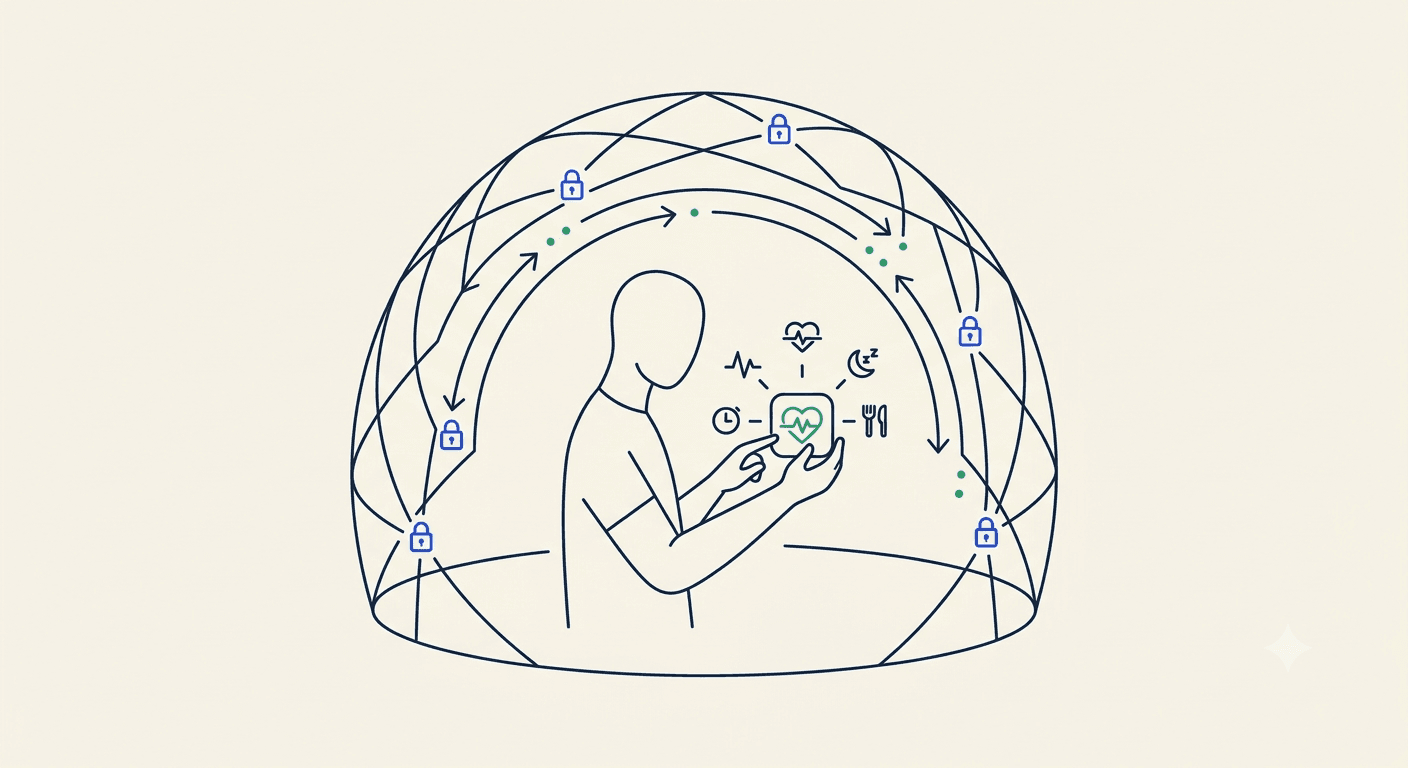
Gen Z is acutely aware of how their personal data is collected, tracked, and commercialized. Because wellness apps often handle highly sensitive information - such as sleep patterns, mental health logs, and menstrual cycles - establishing absolute trust is a primary requirement.
Transparent Consent Flows
Do not bury your privacy policy in a fifty-page legal document that users are forced to accept during registration. Gen Z values transparency. Use clear, simple language during onboarding to explain exactly:
What data your app collects.
Why you need to collect it.
Where that data is stored and how it is secured.
How they can easily delete their data at any time.
Providing clear, user-friendly options to opt in or out of sleep tracking or mood logging shows respect for the user's digital autonomy. Inform them that their data is fully encrypted, never sold to third parties, and can be exported or deleted at any time.
Robust Backend Security
Behind a clean user interface must lie a secure and compliant backend infrastructure. When developing healthtech platforms, compliance with standards like GDPR or HIPAA, where applicable, is essential. At CipherCross, we prioritize building scalable, secure architectures with robust encryption protocols, ensuring that sensitive user data remains protected against unauthorized access.
Comparative Expectations: Millennials vs. Gen Z
To understand how digital wellness is evolving, it is helpful to look at how expectations have changed between generations.
For Millennials, the primary goal of digital wellness centered on optimization, productivity, and physical performance. They expected strict quantitative metrics like precise calorie counting and exact step goals. Gamification meant high-pressure competitive elements like public leaderboards and rigid daily streaks. Socially, they favored broad integration with major social media platforms. Visually, they preferred bright, high-contrast, data-heavy dashboards, and they generally trusted platform privacy policies in exchange for convenience.
For Gen Z, the primary goal is holistic self-care, balance, and mental well-being. They prefer qualitative trends, such as mood correlation and daily energy levels, over pure number tracking. They favor flexible progress tracking that allows for streak freezes and focuses on self-reflection. Instead of public feeds, they seek private micro-communities, anonymous forums, and intimate groups. Their visual preference leans toward minimalist designs, soothing colors, organic shapes, and ample empty space. Finally, they demand complete transparency and explicit control over their personal data security.
Practical Implementation: A Roadmap for Product Teams
If you are currently managing, designing, or developing a wellness application, translating these insights into actual product features can feel overwhelming. Here is a practical framework to guide your team's development process.
Step 1: Audit Your Onboarding Process
Review your current onboarding flow. If it takes more than three minutes of filling out static forms before a user sees value, you are likely losing a significant portion of your Gen Z audience.
Action: Implement a lazy registration model where users can experience the core features of the app before being prompted to create an account. Use the initial onboarding screens to ask only the most critical personalization questions.
Step 2: Transition from "Monitoring" to "Coaching"
Analyze how your app presents data. Does it simply state that the user slept for five hours, or does it explain what that means for their day ahead?
Action: Work with wellness experts and copywriters to build an insights engine. Translate raw biometric data into clear, practical guidance. Instead of showing a red warning sign for poor sleep, suggest a concrete adjustment to their daily schedule.
Step 3: Modernize Your Tech Stack for Real-Time Customization
To deliver the level of personalization Gen Z expects, your app's backend must process user actions instantly and serve dynamic content without lag.
Action: Evaluate your database and server architecture. Ensure your infrastructure can handle real-time data processing and scale seamlessly as your user base grows. If your current backend is slow or rigid, consider partnering with a specialized healthtech development team to refactor your system.
Conclusion: Building for the Future of Wellness
Winning over Gen Z is not about chasing fleeting internet trends or adding superficial social features to your platform. It requires a fundamental shift in how we approach digital health and wellness technology.
This generation wants wellness apps that are highly personalized, visually calming, deeply secure, and focused on holistic self-care. They appreciate software that respects their time, supports their mental well-being, and adapts to the unpredictable realities of daily life.
By focusing on user-centric design, robust data security, and flexible feature sets, product teams can build digital wellness products that do not just sit on a user's phone, but actively support their personal growth.
Partner with CipherCross
At CipherCross, we specialize in crafting user-centric wellness apps designed to support each user's unique journey. Our team combines proven wellness industry expertise with scalable, secure backend architecture to bring your digital solutions to life. Whether you are building a wellness product from the ground up or looking to modernize your existing platform to meet the needs of the next generation of consumers, we are here to help.
Visit ciphercross.com to learn more about our end-to-end development services, view our recent case studies, and connect with our product team to start building the future of digital wellness.
Dive into our diverse articles – from wellness app design and AI personalization to software development best practices, operational workflows, and strategic guidance.



Load More