
From Tracking to Understanding: The Rise of Emotional Intelligence in Wellness Tech

Mykyta Shevchenko
CEO & Co-founder
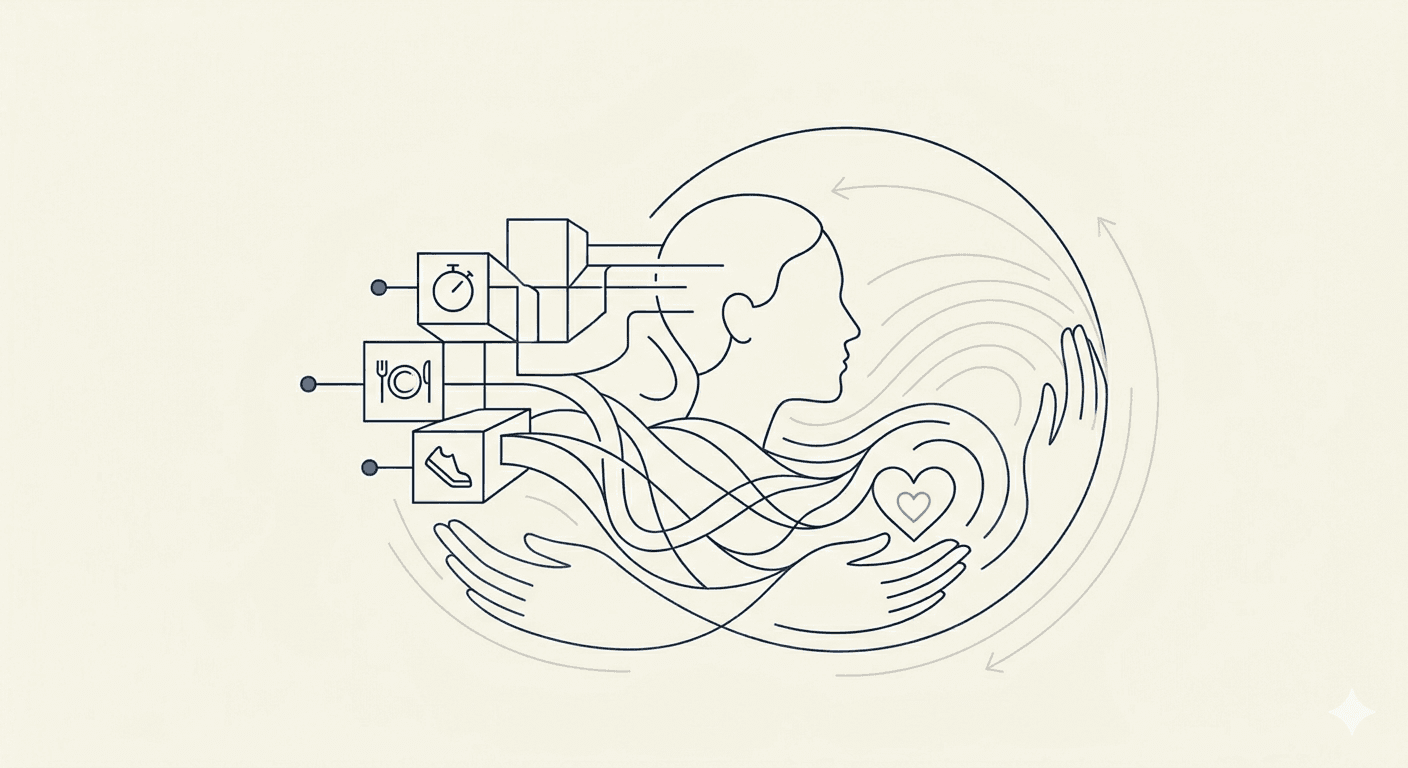
For years, wellness technology focused on tracking. Counting steps, logging meals, monitoring sleep cycles — these were once the pillars of digital health. But as the industry matured, a fundamental truth became impossible to ignore: data does not automatically create change. Knowing that a user slept for six hours or skipped meditation three days in a row doesn’t explain why those patterns emerged, whether they reflect resilience or burnout, or how the system should respond in a way that strengthens habits instead of overwhelming the user. This gap has pushed the industry toward a profound shift. The next era of wellness technology is built not on tracking alone, but on understanding. Emotional intelligence — once a human-centric concept — is now being woven into the architecture of wellness apps. These systems interpret not only what users do but how they feel while doing it, leveraging multimodal signals, sentiment analysis, and behavioral patterns to deliver deeply personalized guidance. This article explores how emotional intelligence is transforming wellness tech: the technologies behind this shift, the UX implications, the opportunities for product teams, and what emotionally aware systems will mean for users in 2026 and beyond.
The Shift From Quantified Self to Emotionally Intelligent SelfCare
Why Tracking Alone Stopped Being Enough
The first generation of wellness apps operated on a simple thesis: If users can see their data, they will change their behavior. Reality proved more complicated and nuanced than this straightforward assumption, revealing the limitations of pure data tracking approaches.
A person can know they're sleeping poorly, yet feel too overwhelmed to address it. They might receive alerts encouraging movement even though they're emotionally exhausted. They might stare at streaks broken by chaotic life events and feel guilty rather than motivated. These scenarios highlight the disconnect between data awareness and actual behavioral change, especially when emotional factors come into play.
In other words, traditional tracking systems observe behavior but fail to understand context or emotional state — two of the most important determinants of whether behavior change is sustainable. This fundamental oversight has led to a significant evolution in how wellness technology approaches user engagement and behavior modification.
When Emotional Blindness Creates Friction
Consider a user named Alex:
Their step count plummets after weeks of consistency.
Their meditation streak stops abruptly without explanation.
Their food logs become irregular and inconsistent.
A tracking-first system flags this as a decline in motivation, treating it as a simple deviation from established patterns. An emotionally intelligent system might recognize something more subtle and complex beneath the surface:
A shift in Alex's typing cadence that often correlates with stress, indicating underlying emotional turbulence
A change in tone in journal entries picked up via sentiment analysis, revealing deeper emotional struggles
Shorter, more fragmented app sessions suggesting difficulty maintaining focus
A rapid spike in late-night phone activity indicating potential sleep disturbances
Irregular breathing or HRV patterns suggesting sustained cognitive load and emotional strain
The emotionally intelligent system interprets this cluster of signals not as lack of discipline but as burnout onset — and adjusts its guidance accordingly, offering more nuanced and compassionate support.
The Rise of EQ in Wellness Tech
Emotionally intelligent systems introduce a new paradigm that fundamentally transforms how wellness technology interacts with users:
They infer mood, not just habits, creating a more holistic understanding of user wellbeing.
They identify early emotional shifts before users articulate them, enabling proactive support and intervention.
They calibrate recommendations to current capacity, not ideal scenarios, acknowledging the reality of human limitations and fluctuations.
This shift mirrors broader changes in digital health: a movement away from interventions that push users toward perfection and toward compassionate systems that recognize complexity, humanity, and emotional fluctuation. This evolution represents a more sophisticated and empathetic approach to digital wellness support.
How Emotional Intelligence Gets Built — The Technologies Behind the Shift
Emotion-aware wellness systems are far more than aesthetic upgrades. Their intelligence stems from a set of interlocking technical capabilities that allow apps to interpret emotional nuance with surprising accuracy, creating a more sophisticated and responsive user experience.
Affective Computing: Giving Apps the Capacity to "Feel" Patterns
Effective computing is the backbone of emotional intelligence in tech. It deals with recognizing, modeling, and responding to human emotions through computational methods, creating a more nuanced and responsive technological interface.
In wellness apps, this may include a comprehensive array of detection methods:
Micro-pattern detection in usage behavior, revealing subtle changes in user interaction
Changes in voice tone during audio reflections, indicating emotional states
Variations in linguistic complexity during journaling, offering insights into mental state
Passive biometric shifts such as HRV or nighttime restlessness, providing physiological indicators of emotional state
Facial micro-expressions (in opt-in camera-based assessments), offering visual cues to emotional wellbeing.
Affective computing doesn't aim to achieve perfect understanding of human emotions - rather, it works to identify probabilistic emotional states. While not claiming absolute certainty, these probability-based assessments become remarkably powerful tools when integrated with detailed contextual information and longitudinal trend analysis across extended periods.
Multimodal Signals: The New Frontier of Precision
Single emotional indicators rarely provide sufficient data for comprehensive understanding. True emotional intelligence in systems emerges through the sophisticated interpretation of multiple signals simultaneously, creating a rich tapestry of emotional insights through various data streams:
Text signals: These encompass nuanced elements like word choice patterns, narrative pacing, overall sentiment analysis, identification of cognitive distortions, and linguistic markers of emotional states. Systems analyze not just what is said, but how it's expressed.
Voice signals: Advanced voice analysis examines multiple parameters including pitch variability patterns, meaningful hesitations, voice breathiness, emotional undertones, and changes in speaking rhythm or cadence.
Behavioral signals: Systems track subtle behavioral indicators like unusual pausing patterns, changes in app switching frequency, nighttime activity surges, and deviations from established usage patterns that might indicate emotional shifts.
Physiological data: Comprehensive analysis of wearable device inputs, various stress markers, sleep pattern irregularities, and other biological indicators that can reflect emotional states.
Environmental context: Consideration of contextual factors including time of day impacts, disruptions to established routines, and various social and environmental influences that affect emotional states.
When wellness applications can process and integrate all these signals simultaneously, they transition from simple guesswork to sophisticated emotional reasoning — enabling truly adaptive wellness pathways that can adjust and respond in real-time to users' emotional needs.
NLP Sentiment Analysis: Beyond Keyword Detection
Contemporary sentiment analysis has evolved far beyond basic positive/negative text classification. Today's advanced models incorporate sophisticated capabilities:
They measure emotional intensity gradients rather than just categorizing emotion types
They identify complex patterns associated with rumination behaviors or increased cognitive load
They've developed nuanced ability to recognize sarcastic content and self-deprecating humor patterns
They can detect narrative progression shifts that often indicate anxiety, fear, or hope states
They implement longitudinal analysis to track language evolution over weeks or months, not just isolated moments
For wellness platforms, these capabilities enable much more sophisticated support mechanisms. Rather than simply suggesting a basic breathing exercise, systems can recognize early indicators of depressive cycles and appropriately adjust support levels or trigger professional referral pathways when needed.
Behavioral Clustering: Understanding Users Through Patterns, Not Profiles
Moving beyond traditional demographic or static trait-based segmentation, emotion-aware systems implement dynamic clustering based on behavioral patterns:
Individual stress response patterns and coping mechanisms
Personal conflict recovery trajectories and timeframes
Specific motivation decrease triggers and patterns
Typical duration and intensity of emotional disruptions
Historical effectiveness of different intervention types for specific users
This approach enables truly behavior-based personalization, creating a much more accurate and nuanced understanding of human variability than conventional metrics like age, gender, or basic activity measurements could provide.
What Emotion-Aware Wellness Apps Can Actually Do
While the underlying technology is undoubtedly sophisticated, its practical impact becomes most apparent through concrete, real-world applications. Modern emotionally intelligent applications transform user experiences by responding intelligently to how people feel, rather than simply tracking what they do.
The following scenarios represent realistic use cases that product teams increasingly incorporate into their design thinking.
1. Burnout Prevention Through Early Detection
When a user exhibits multiple warning signs:
Progressively later sleep patterns
Increased work-related activity during personal time
Shortened meditation session durations
Increasingly negative sentiment in journaling entries
An emotionally blind app might respond simplistically:
"Your streak is breaking. Time to get back on track!"
In contrast, an emotionally aware app provides more nuanced support:
"We've noticed you're carrying a heavier cognitive load lately. Let's adjust your routines this week with shorter grounding breaks, more flexible goals, and gentler guidance."
This fundamental paradigm shift — moving from a demand-based approach to one centered on compassion — creates a transformative impact on users' long-term adherence to wellness practices. When systems prioritize understanding and empathy over rigid accountability, users develop a more sustainable and healthy relationship with their wellness journey.
2. Responding to Motivation Dips Without Shame
Rather than relying on generic motivational quotes or implementing strict reminder systems, emotion-aware applications demonstrate a sophisticated understanding of the complex factors that contribute to motivation fluctuations:
physical and mental exhaustion from prolonged stress or overwork
emotional depletion following intense personal or professional challenges
spillover effects from interpersonal conflicts or workplace tensions
cognitive overstimulation in our increasingly connected digital environment
deep-seated fear of failure triggered by breaking established streaks or routines
A more emotionally intelligent and nuanced response might look like this:
"We've noticed signs of increased fatigue this week. Instead of attempting to maintain your complete goal set, let's focus on two small, highly rewarding actions that can help rebuild your momentum gradually and sustainably."
This approach creates a foundation of psychological safety and understanding, replacing the counterproductive cycle of guilt and shame that often accompanies traditional wellness tracking.
3. Managing Stress in Real Time
Through the combination of passive sensing technology and advanced sentiment analysis, modern systems can identify rising stress levels before users become consciously aware of their mounting tension. Key indicators might include:
sudden increases in typing force or keyboard pressure patterns
notable shifts toward sharper or more strained tones in voice recordings
erratic or unusually rapid scrolling behaviors across applications
compulsive checking patterns of specific applications or features
progressive decline in heart rate variability throughout the afternoon period
The system might offer a thoughtful, timely intervention:
"We're detecting an upward trend in stress indicators. Let's take a brief 60-second pause — here's a scientifically-validated micro-practice specifically designed to interrupt stress spiraling patterns."
Research consistently shows that a precisely-timed one-minute intervention can yield significantly better results than longer meditation sessions delivered after stress has already escalated.
4. Supporting Sleep Through Emotional Context
Sleep disturbances rarely exist in isolation from emotional factors. The emotional landscape often plays a crucial role in sleep quality and patterns.
An emotionally intelligent sleep support system might identify various indicators:
physical restlessness combined with anxiety-laden language patterns
nighttime device engagement patterns suggesting active rumination
voice analysis revealing increasing irritability or sensory processing challenges
emerging patterns of relationship tension documented in user interaction logs
Instead of defaulting to generic sleep hygiene advice like "reduce screen time," the system can provide contextualized support:
"We've noticed signs that emotional strain might be affecting your rest tonight. We've prepared a calming narrative specifically designed to address overactive thought patterns, followed by a breathing exercise calibrated to your current heart rate variability measurements."
This integrated approach, combining sleep science with emotional intelligence principles, consistently demonstrates higher user adherence rates and improved sleep outcomes.
5. Understanding Relationship Dynamics as Part of Wellness
Many core wellness challenges — including motivation fluctuations, stress responses, sleep disruptions, and anxiety manifestations — are intimately connected to relationship patterns and dynamics.
Through advanced sentiment analysis and pattern clustering, systems can identify:
cyclical emotional patterns in relationships
stress spikes triggered by interpersonal conflicts
characteristic withdrawal behaviors following disagreements
indicators of social isolation or loneliness
recurring patterns of excessive apologizing or post-conflict rumination
The system might offer gentle, insight-focused support:
"We've noticed several instances this month where you've expressed feelings of being dismissed or unheard. If you're interested, we can explore some evidence-based communication tools designed to help you articulate your needs more effectively."
While emotionally intelligent applications never attempt to diagnose relationship issues, they can provide valuable support in helping users understand their emotional triggers and develop healthier recovery patterns.
Designing Emotional UX — Where Technology Meets Humanity
The development of emotion-aware wellness systems presents unique and complex UX challenges. The responsibility of interpreting and responding to human emotions requires careful consideration of transparency, ethics, and sensitivity. The product decisions made in this space ultimately determine whether users experience the technology as supportive or invasive.
Below are the fundamental emotional UX principles guiding the next generation of wellness products.
Safety: Emotional Insights Must Never Startle the User
Even the most accurate emotional detection algorithms can feel intrusive and unsettling if their insights are delivered without proper context or sensitivity. The way emotional feedback is presented dramatically impacts how users receive and process this information.
Instead of making direct, potentially jarring statements like:
"You seem anxious today."
A more nuanced, trust-building approach would be:
"Your recent patterns sometimes align with what we observe when people experience periods of pressure or uncertainty. Would you say this resonates with your current experience?"
Emotional UX fundamentally operates on the principle of offering gentle hypotheses rather than definitive conclusions. This approach respects user autonomy and creates space for self-reflection without imposing interpretations.
Transparency: Showing Users How Emotion Is Interpreted
Users require comprehensive understanding of the emotional detection process. This includes clear visibility into:
which specific behavioral and physiological signals are being monitored and analyzed
the frequency and timing of signal collection and processing
the sophisticated algorithms and methods used to generate emotional labels
the duration and security protocols for emotional data storage
detailed access controls and privacy measures protecting emotional insights
the specific team members or AI systems that may interact with this sensitive data
As systems become increasingly sophisticated in their emotional intelligence capabilities, the imperative to demystify these complex processes becomes even more critical for maintaining user trust and engagement.
Personalization Depth: Insights Should Feel Tailored, Not Template-Based
Users possess an innate ability to distinguish between generic emotional guidance and truly personalized insights. To create authentic, believable personalization, systems must ensure:
emotional insights demonstrate cumulative learning and depth over time
the system explicitly references and builds upon previously observed behaviors
recommendations dynamically adapt to reflect major life transitions and circumstances
guidance mechanisms align with and respect individual emotional processing styles
suggestions incorporate user-specific language patterns and communication preferences
interventions reflect understanding of personal growth trajectories and past challenges
Emotional UX transcends generic empathy to deliver specifically tailored emotional support that resonates with each unique user's journey.
The Future of Emotional Intelligence in Wellness Tech
While emotion-aware wellness systems are still in their early developmental stages, several compelling trends indicate the industry's evolutionary direction.
1. Longitudinal Emotion Modeling: From Moments to Patterns
Future systems will develop sophisticated tracking capabilities for emotional:
daily, weekly, and monthly rhythms
specific environmental and situational triggers
individual recovery and resilience cycles
seasonal mood variations and patterns
interpersonal and relational emotional dynamics
long-term emotional resilience development trends
This advancement shifts wellness intervention from reactive, episodic support to proactive, continuous emotional health mapping and maintenance.
2. Multi-Context Profiles: Work, Relationships, Recovery, Identity
Users exhibit distinct emotional patterns across different life domains. Next-generation applications will recognize and respond to:
differentiated stress manifestations in professional versus personal contexts
distinct emotional profiles for workdays compared to leisure time
unique emotional signatures associated with various states like creativity, restoration, or overwhelm
varying emotional patterns in social interactions versus solitary activities
This layered contextual understanding enables increasingly precise and relevant recommendations.
3. Emotionally Adaptive Interfaces
Future applications will dynamically modify their interface and behavior based on detected emotional states:
implementing soothing visual elements during periods of stress
simplifying navigation options when cognitive resources are limited
intelligently managing notification frequency during vulnerable periods
increasing supportive micro-interventions during identified rumination cycles
Interface design becomes responsive to emotional context, creating truly adaptive user experiences.
4. Hyper-Personalized Pathways in Mental Health Support
Emotion-aware applications will increasingly offer sophisticated support through:
customized therapeutic journey mapping
emotion-based habit formation strategies
individualized micro-practice recommendations
comprehensive relapse prevention protocols
detailed emotional monitoring dashboards
This technology serves to complement and enhance professional therapeutic relationships rather than replace them.
Final Thoughts: Emotional Intelligence Is the Future of Wellness Tech
Wellness technology is undergoing a transformative shift, moving beyond simple data collection to achieve deeper human understanding. Emotion-aware systems represent the next revolutionary leap in this evolution — one that enhances rather than replaces human insight, bringing nuanced compassion, contextual relevance, and meaningful personalization to users precisely when they need emotional support most.
The wellness products that will define the next decade will transcend basic habit tracking and behavioral monitoring. They will demonstrate sophisticated emotional intelligence, understanding the intricate contexts of human feelings and experiences. These systems will seamlessly adapt to the inherent variability in human emotional states, recognizing that each person's emotional journey is unique. Through unwavering commitment to transparency, they will establish and maintain deep trust with users. Most importantly, they will deliver support that feels genuinely personal and empathetic, moving far beyond programmatic, one-size-fits-all approaches.
For product teams, founders, and strategic decision-makers in the wellness technology space, the integration of emotional intelligence has moved from an optional feature to a core necessity. The critical question now centers not on whether to incorporate emotional awareness, but rather how to implement it rapidly while maintaining unwavering standards for user privacy, ethical considerations, and safety protocols.
Build emotion-aware wellness systems with CipherCross — personalized, context-aware, privacy-first.
If you'd like revisions, a shortened version, LinkedIn excerpts, or visuals/diagrams for this article, just tell me.
Dive into our diverse articles – from wellness app design and AI personalization to software development best practices, operational workflows, and strategic guidance.



Load More