
How a Wellness Startup Boosted Retention by 40% with Personalized UX

Volodymyr Irzhytskyi
COO & Co-founder
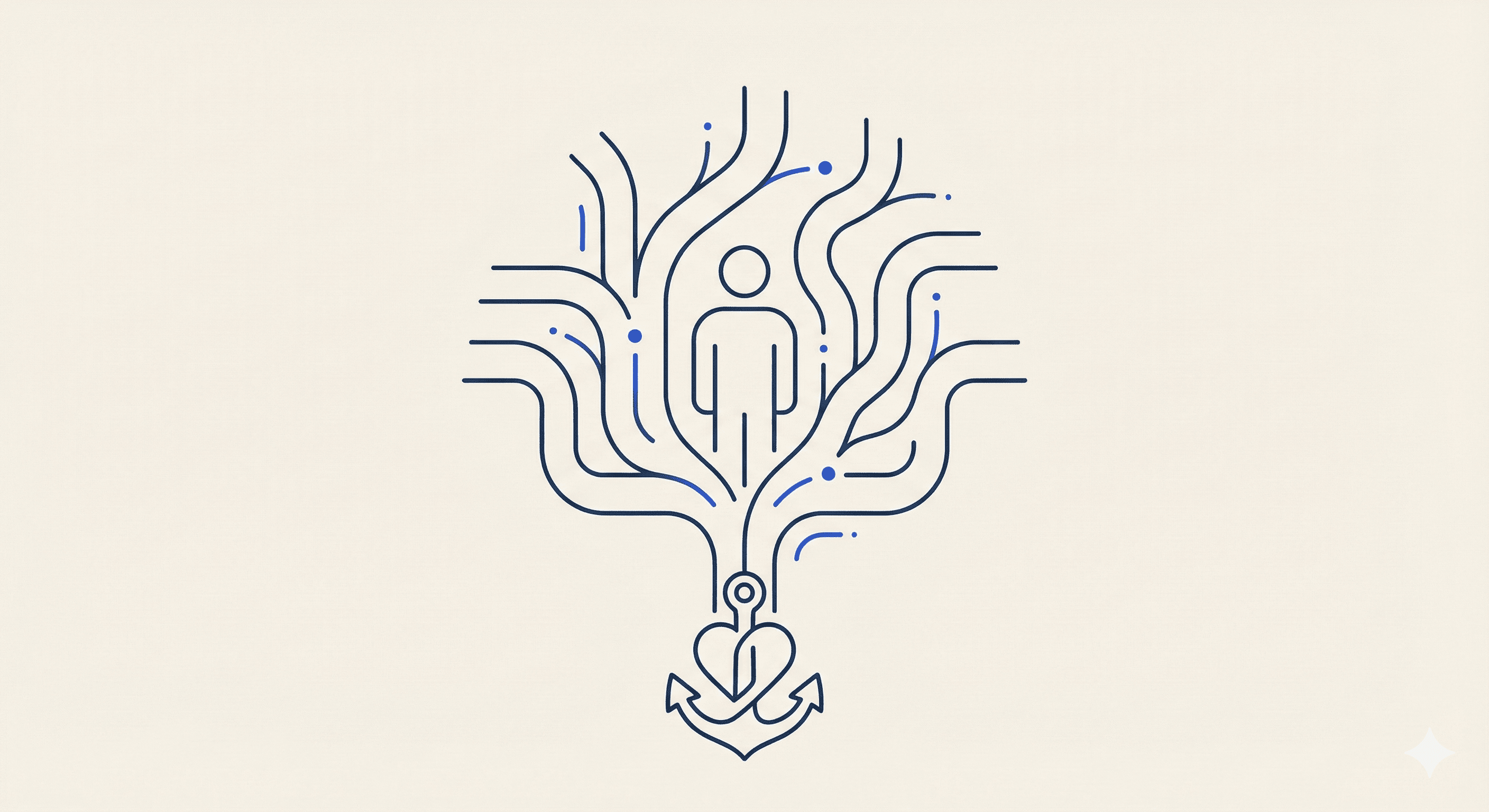
Every wellness startup aspires to achieve viral growth. But after the initial excitement fades, there’s one metric that tells the truth — retention. In a world flooded with meditation, nutrition, and fitness apps, only those that truly connect with users manage to survive. That connection isn’t built through marketing gimmicks or push notifications. It’s built through personalized experiences — ones that make users feel understood, supported, and seen. This is the story of a growing wellness startup that transformed its user engagement and boosted retention by 40% through a personalized UX strategy designed with CipherCross.
The Retention Challenge in Wellness Apps
Wellness apps often encounter a challenging paradox. While users are eager to download them during moments of heightened motivation—like New Year’s resolutions, stressful periods, or health-related wake-up calls—the enthusiasm tends to wane quickly. Within just a few weeks, the majority of users disengage.
Research indicates that over 75% of health app users stop using them after the first month, and the primary reason is clear: the apps fail to meet individual needs. People don’t want to feel like they’re stuck in a one-size-fits-all program. They crave a personalized wellness experience—one that evolves alongside their journey.
For one startup, their data painted a similar picture: high download numbers following launch campaigns, a steep decline in active users within three weeks, and limited repeat engagement after the initial onboarding phase.
The team soon realized that conventional engagement tools such as reminders, achievement badges, or streaks weren’t cutting it. To build lasting connections, they needed a more profound approach: delivering emotional resonance through true personalization.
Why Personalization Matters in Wellness UX
Personalization in wellness UX extends far beyond simply tweaking notifications or suggesting random content. It involves deeply understanding the user's current state, context, and goals to design experiences that respond thoughtfully and intelligently.
At CipherCross, the UX team often describes this approach as empathetic design—a product's ability to engage and interact as though it were a real-life coach.
There are three essential layers of personalization in wellness products:
Behavioral personalization: This tailors experiences based on user actions and engagement patterns, such as suggesting a quick 5-minute session after a series of missed workouts.
Contextual personalization: This takes into account factors like the user's environment, time of day, or emotional state.
Psychographic personalization: This aligns the app's tone, motivational strategies, and feedback with the user's personality traits.
When these layers are implemented effectively, they foster trust and a sense of belonging—key elements for sustaining long-term user engagement in health and wellness apps.
The Case: Turning Data into Retention Growth
The startup, referred to here as WellPath, set out with a focused mission: to support users in developing sustainable daily wellness habits through guided micro-practices.
However, despite initial interest, WellPath faced challenges in maintaining user engagement. Retention rates dropped sharply after the second week. In search of a solution, the team collaborated with CipherCross for user experience (UX) strategy assistance to pinpoint the issues behind user disengagement.
Step 1: Identifying Drop-Off Points
By employing analytics and behavioral mapping, CipherCross uncovered critical obstacles where users lost momentum:
Following onboarding, users experienced overwhelm due to an abundance of choices.
Generic routines failed to resonate with individual aspirations.
Feedback mechanisms, such as progress tracking and motivational prompts, were irregular and lacked consistency.
These findings highlighted a key issue: users struggled to perceive personal relevance within their wellness experience.
Step 2: Developing User Personas and Emotional Journeys
CipherCross guided the WellPath team in creating data-driven user personas grounded in psychographic analysis:
The Seeker: Motivated by emotional balance and mindfulness practices.
The Achiever: Results-oriented, driven by measurable progress and personal growth.
The Supporter: Draws inspiration from community and shared connections.
For each persona, the team charted emotional highs and lows throughout the user journey, identifying moments when individuals felt inspired, disconnected, or disengaged. This approach provided clarity on where adjustments were needed.
Step 3: Crafting Tailored UX Experiences
To address the identified issues, CipherCross restructured the app’s experience with dynamic personalization at its core:
Customized onboarding that explored not only what users aimed to achieve but also their underlying motivations and preferred guidance styles.
Intelligent content delivery that curates meditation, breathing exercises, or movement sessions based on past habits and completion patterns.
Mood-responsive design changes, wherein the app’s visuals and tone are adapted according to user mood entries.
For instance, if a user reported feeling stressed in the morning, the app offered a quick grounding exercise rather than pushing them toward a full session — demonstrating empathy over enforcing rigid routines.
By centering the experience around personalization and emotional connection, WellPath could better cater to user needs, fostering sustained engagement and alignment with individual wellness goals.
Key UX Strategies Behind the 40% Retention Boost
After three months of adopting the new design, retention rates soared by 40%. This wasn’t a stroke of luck — it was the result of a carefully crafted strategy. Key factors that drove these results:
1. Micro-Personalization at Scale
Rather than grouping users into general categories, WellPath developed a system that tailored every interaction, refining content, timing, and tone to individual preferences. CipherCross utilized AI-driven recommendation engines that analyzed anonymized behavioral data to dynamically adjust user journeys.
Impact: Users felt genuinely understood by the app, leading to organic growth in engagement.
2. Emotional Check-Ins
Static reminders were replaced by daily emotional check-ins through prompts like “How are you feeling right now?” These quick, reflective moments generated valuable insights to further adapt the user experience.
Impact: This approach boosted emotional awareness and deepened connections with the app, resulting in an 18% increase in returning users within the first month.
3. Habit Loops with Flexible Motivation
Rigid streak-based systems were replaced by “fluid goals,” adaptable milestones that aligned with the user’s pace. If a day was missed, the app responded with encouragement like “It’s okay — let’s try a shorter session today,” rather than guilt-inducing messages.
Impact: The approach minimized churn caused by shame or guilt, a frequent reason users abandon wellness apps.
4. Multi-Sensory Design Elements
CipherCross integrated subtle multi-sensory interactions, including soothing soundscapes, dynamic gradient transitions, and haptic feedback during breathing exercises. Sensory personalization further enhanced emotional involvement.
Impact: Users reported a 35% increase in feelings of immersion and tranquility during their sessions.
5. Real-Time Progress Narratives
Instead of displaying generic dashboards, the app delivered personalized progress updates framed as engaging stories: “You’ve built 3 mindful mornings this week — your focus is steadily improving.” This storytelling approach connected measurable achievements to deeper motivations within users.
Impact: Daily session completions doubled as users felt encouraged to maintain momentum.
Lessons Learned: What Other Wellness Startups Can Take Away
The story of WellPath sheds light on an essential realization among digital health innovators: UX personalization isn’t merely an add-on but a vital driver of growth. This insight holds valuable lessons for wellness founders and product managers:
1. Personalization Begins with Empathy, Not Algorithms
Understanding your users on a human level is the foundation of effective personalization. Before integrating AI or data models, take time to conduct interviews, observe emotions, and uncover genuine motivations. Technology should enhance empathy, not replace it.
2. Balance Automation with Humanity
Automated personalization can risk appearing cold or mechanical. It’s crucial to maintain warmth and a human touch in all interactions, whether through messages, notifications, or responses. CipherCross champions this concept with its philosophy of creating "technology that feels human."
3. Focus on Emotional Engagement, Not Just Metrics
Beyond tracking clicks and time spent, pay attention to indicators of emotional well-being, such as mood inputs, journal entries, or the frequency of reflection. These insights provide a deeper understanding of users' emotional health and engagement.
4. Design for Adaptability Instead of Perfection
Rigid structures often falter because life is unpredictable. Offer users the flexibility to adjust goals, pause routines, and celebrate minor achievements. Remember that wellness is an ongoing journey, not a strict checklist.
5. Integrate UX and Behavioral Science from the Start
Incorporating behavioral design principles early on can help sustain user engagement over time. Often, tech-driven teams miss the psychological nuances that reinforce long-term habits.
6. Build Trust Through Transparent Data Practices
Effective personalization relies on data, but users need to feel secure. Clearly communicate your data usage policies, explaining how and why their data is collected and applied. Transparency fosters trust, which is essential for building user loyalty and retention.
Inside CipherCross: Our Approach to Personalized Wellness UX
At CipherCross, we’ve spent years refining the intersection between wellness expertise, data security, and user-centric design.
Our framework combines:
Clinical-grade wellness knowledge
Ethical data handling
Adaptive UX design systems
Every wellness product we help build aims to support real humans in achieving balance, not just engagement metrics.
In WellPath’s case, personalization didn’t just increase retention — it redefined the brand’s identity. It shifted from being an app that “offers programs” to one that guides individuals through growth. That’s the future of digital wellness: technology that listens.
Personalization as the Path to Meaningful Retention
The wellness app market is more competitive than ever. But the secret to standing out isn’t adding more features — it’s crafting experiences that feel personal, intentional, and human.
As WellPath’s 40% retention boost shows, personalization in UX is not just about data — it’s about understanding human emotion.
When users feel seen, supported, and safe, they don’t just stay — they grow.
💡 Want to build a wellness product that keeps users engaged and inspired?Contact CipherCross to design personalized experiences that turn retention into a real human connection.
Dive into our diverse articles – from wellness app design and AI personalization to software development best practices, operational workflows, and strategic guidance.



Load More