
Neurodesign in Wellness: Interfaces That Influence Motivation and Mental States

Mykyta Shevchenko
CEO & Co-founder
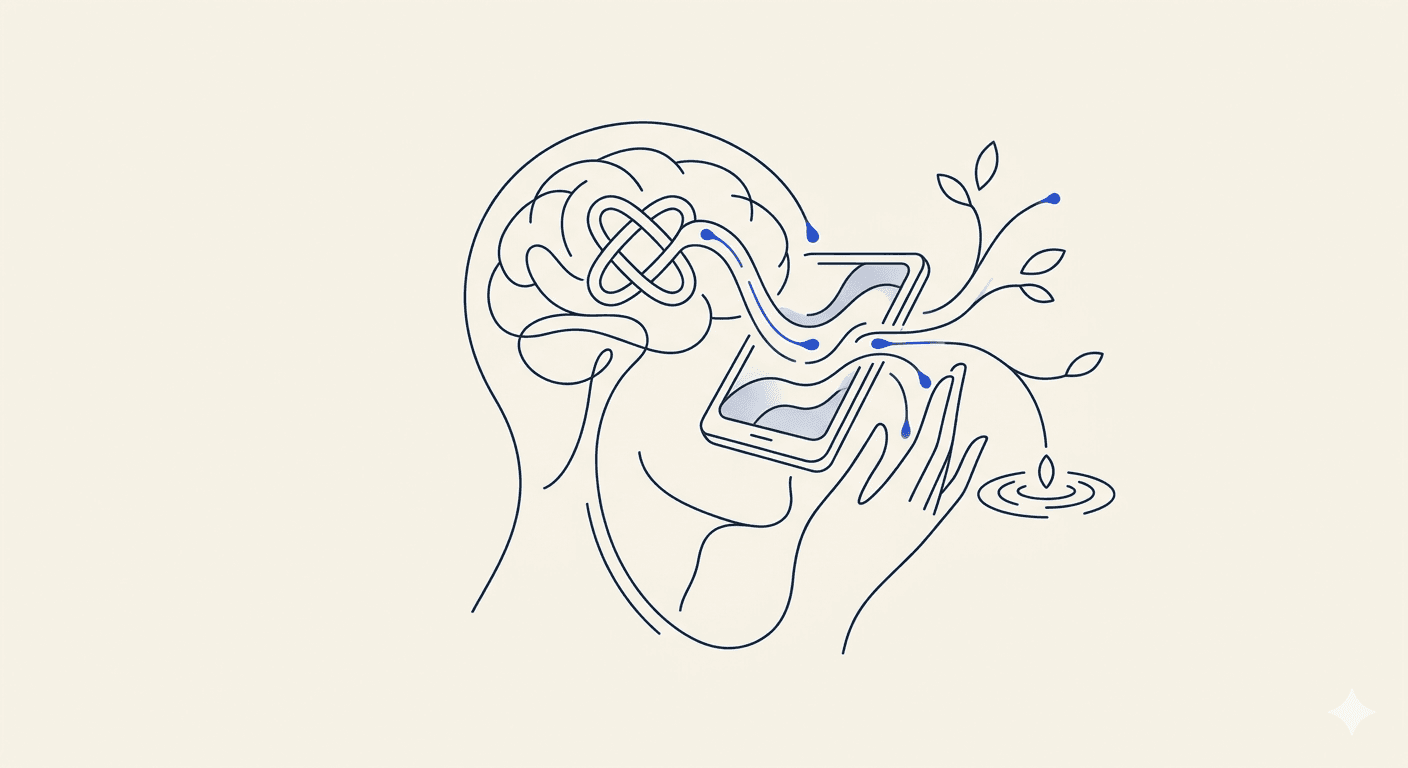
Wellness technology has entered a new era. The industry is shifting from apps that simply “deliver content” to systems that actively shape how users feel, think, and behave. This shift is powered by neurodesign — the practice of using neuroscience and behavioral science to create interfaces that work with the brain’s natural tendencies rather than against them. If emotional intelligence was the previous evolution of wellness tech, neurodesign represents the next: apps that use subtle sensory cues, intelligent pacing, and cognitive-responsive interfaces to influence motivation and mental states in real time. Neurodesign is not about manipulating users. At its best, it brings together neuroscience, psychology, interaction design, and ethical product thinking to create experiences that reduce cognitive friction, reinforce healthy habits, and support emotional regulation. And for wellness founders, product owners, and digital health strategists, the implications of neurodesign over the next three to five years are profound. This article explores the science, the design principles, the opportunities, and the challenges of neurodesign — and how it will redefine the future of wellness technology.
What Neurodesign Really Is — And Why It Matters for Wellness
Beyond Traditional UX
Traditional UX focuses on usability, clarity, and efficiency. Neurodesign expands this horizon by asking deeper questions about how our brains interact with digital interfaces on a fundamental neurological level. It delves into the intricate relationship between human cognition and interface design:
How does the brain react to this interface in moments of stress, fatigue, or overwhelm? What neural pathways are activated during different emotional states?
What patterns of interaction help users feel in control, capable, and motivated? How can we design to support optimal cognitive functioning?
Which visual or auditory cues support emotional regulation and help maintain psychological balance?
How does the timing of feedback influence dopamine and habit formation in ways that create sustainable behavioral change?
The goal is not merely to build a pleasant interface, but to build an interface that interacts intelligently with the user's brain state and supports their neurological wellbeing throughout the user journey.
The Neuroscience Behind Behavior Change
Neurodesign draws on several well-established principles from cognitive neuroscience and behavioral psychology:
Dopamine-driven reward cycles: Every micro-interaction can reinforce or weaken behavior through its impact on neural reward pathways. Understanding these cycles allows designers to create meaningful engagement patterns.
Cognitive load theory: Overloaded users shut down — not because they don't care, but because the brain protects itself from excessive mental strain. Strategic information architecture becomes crucial for maintaining optimal cognitive function.
Attention rhythms: People cycle through states of deep focus, shallow focus, and cognitive fatigue throughout their day. Interfaces must adapt to these natural fluctuations in attention and mental energy.
Emotional regulation mechanisms: Certain stimuli (colors, shapes, rhythms) can reduce sympathetic activation and support calm by engaging the parasympathetic nervous system. These elements can be strategically incorporated into interface design.
Predictive processing: Brains crave patterns; interfaces that align with expected rhythms feel intuitive and safe. This natural tendency for pattern recognition can be leveraged to create more intuitive user experiences.
Wellness apps that ignore these principles often feel draining or overwhelming — even when the content is valuable. Neurodesign helps teams build products that users want to return to because they feel psychologically supported, not overloaded, creating a sustainable relationship with technology.
Neurodesign Is Already Around Us — Users Just Don't See It
Think of these sophisticated applications already in use:
breathing screens that slow animation during exhale, synchronizing with the user's natural respiratory rhythm
meditation interfaces that reduce visual complexity over time, supporting deeper states of focus and relaxation
micro-congratulations that reinforce intrinsic motivation instead of relying on gamified badges, tapping into natural reward pathways
sleep apps that shift color temperature as bedtime approaches, supporting natural circadian rhythms
journaling flows that adapt tone based on emotional intensity, providing appropriate support for different psychological states
These examples all come from a foundational understanding of how the brain responds to interfaces. Neurodesign formalizes this practice — giving product teams a deliberate framework rather than relying on intuition or arbitrary design decisions.
How Interfaces Influence Motivation, Emotion, and Cognitive State
Neurodesign becomes most powerful when applied to specific components of digital wellness experiences. Below are five mechanisms through which interfaces can actively shape mental and emotional states, based on neurological research.
1. Color Psychology: Subtle Cues, Strong Neurological Impact
Color is not mere decoration — it's information that directly affects brain function. Neuroscience shows that color impacts arousal levels, focus, and emotional processing at both conscious and subconscious levels.
Blues and greens reduce sympathetic activation, supporting calm and stress recovery through their impact on the autonomic nervous system.
Warm neutrals create psychological safety during vulnerable moments (journaling, reflection) by activating areas of the brain associated with comfort and security.
Soft contrast gradients prevent visual fatigue and reduce cognitive strain by minimizing the processing load on the visual cortex.
Deep reds and oranges trigger heightened alertness and arousal in the brain's reticular activating system, making them excellent choices for activation-focused interfaces but potentially disruptive for sleep or relaxation experiences. Research shows these warm, intense hues increase heart rate and cortisol levels, stimulating both physiological and psychological arousal states through direct neural pathways.
A thoughtfully constructed stress-relief journey should begin with soft, muted cool tones that signal safety to the nervous system, gradually transitioning to brighter, more energetic hues as the user's emotional regulation capacity strengthens. This progression mirrors the natural physiological signals of recovery, where parasympathetic activation leads to renewed energy and resilience. The color evolution serves as a subtle yet powerful neurological metaphor for the healing process.
Similarly, interfaces designed to enhance focus and concentration benefit from employing a carefully restricted color palette. By removing unnecessary visual stimuli and limiting chromatic variety, these designs reduce the cognitive load on the visual processing centers of the brain, allowing more neural resources to be allocated to the task at hand. This preservation of working memory capacity is especially crucial during demanding cognitive activities.
2. Rhythmic Interaction Patterns: The Brain Responds to Tempo
The inherent rhythmic nature of many wellness practices - from conscious breathing to mindful movement, emotional processing to contemplative reflection - creates a natural foundation for interface design. When digital experiences deliberately mirror or enhance these natural cadences, they facilitate a state of psychological coherence that supports the intended wellness outcomes. This alignment between interface rhythm and biological timing creates a powerful resonance effect in the nervous system.
Examples:
Breathing screens where animation follows scientifically tested pacing ratios (4-6 breathing), synchronized precisely with optimal respiratory patterns for stress reduction and autonomic balance
Sleep interfaces that slow animations subtly over a 90-second warmdown, matching the natural deceleration of brain wave patterns during sleep onset
Focus timers that match natural ultradian rhythms (50–90 minute cycles), respecting the brain's innate patterns of peak performance and necessary recovery
Stress recovery flows guided by tempo changes rather than text prompts, allowing users to intuitively follow their body's natural regulation patterns without cognitive overhead
The brain's inherent ability to interpret and respond to rhythmic stimuli serves as a powerful tool for regulation. Even subtle, micro-rhythmic elements - such as the gentle pulsation of an interactive button or the measured pace of a loading animation - can effectively prime the nervous system for specific states of calm or focused attention. These carefully crafted temporal patterns speak directly to the brain's pattern-recognition systems, bypassing conscious processing to create immediate physiological effects.
The power of rhythm in interface design extends beyond obvious elements like animations and transitions. Every interaction - from the spacing between information reveals to the timing of feedback - creates a temporal signature that influences the user's neurological state. When these rhythms are thoughtfully aligned with the brain's natural operating patterns, they create a sense of flow and ease that supports the intended wellness outcomes.
By incorporating precise rhythmic elements that match both the task at hand and the user's desired state, interfaces can create a form of "neural entrainment" - where the brain's natural oscillations begin to synchronize with the presented rhythms. This synchronization can facilitate everything from stress reduction to enhanced focus, making rhythm one of the most powerful tools in the neurodesigner's toolkit.
Extrinsic motivators include:
badges
streaks
social comparisons
point systems
leaderboards
achievement unlocks
virtual rewards
progress trackers
While these gamification elements can provide initial engagement hooks, research consistently shows their effectiveness diminishes over time. More concerning, extrinsic rewards can actually undermine intrinsic motivation - a phenomenon known as the "overjustification effect." When external incentives become the primary driver, users' natural interest and personal investment in wellness practices often declines.
Instead, neurodesign prioritizes intrinsic motivation through:
Deep Autonomy Support
Meaningful choices that connect to personal values
Flexible pathways that accommodate individual preferences
Recognition of user wisdom about their own needs
Opportunities for self-directed exploration and discovery
Removal of artificial constraints and arbitrary rules
Mastery Development
Clear feedback on progress toward personally meaningful goals
Opportunities to develop genuine capability and skill
Recognition of small wins and incremental growth
Support for learning from setbacks without shame
Tools for tracking authentic development over time
Purpose Connection
Links between actions and larger life aspirations
Reminders of personal meaning and values
Opportunities for contribution to others
Recognition of impact beyond individual gains
Integration with broader life contexts
The key is designing interfaces that nurture rather than manipulate motivation. This requires:
Careful attention to timing - introducing motivational elements when users are receptive, not when engagement metrics dip
Personalization of motivational strategies - recognizing that different personality types and circumstances require different approaches
Integration of multiple motivation systems - combining dopamine, autonomy and identity elements in ways that feel natural and aligned
Focus on long-term engagement - prioritizing sustainable motivation over short-term spikes in usage
Respect for user agency - avoiding manipulative dark patterns that create unhealthy dependencies
When implemented thoughtfully, these principles create interfaces that support genuine, lasting motivation for wellness practices. The goal is to help users develop internal drivers that persist even without the app's presence.
This approach requires more nuanced design work than simply adding game mechanics. However, the research is clear - interfaces that support intrinsic motivation lead to:
Higher long-term engagement
Better wellness outcomes
Increased user satisfaction
More sustainable behavior change
Greater psychological wellbeing
The future of wellness technology lies not in clever manipulation of external motivators, but in thoughtful design that amplifies users' natural inclination toward growth and wellbeing. This requires a deep understanding of both human psychology and careful interface design that works with, rather than against, our intrinsic motivation systems.
By focusing on autonomy, mastery, and purpose - while thoughtfully incorporating dopamine-driven elements - product teams can create experiences that genuinely support users' wellness journeys. The key is maintaining unwavering respect for user agency while providing the structure and support that makes sustainable behavior change possible.
external accountability
These external motivators and accountability systems can drive initial behavior change, but their effectiveness tends to diminish significantly over time. Without deeper internal drivers, externally-motivated changes rarely stick beyond the short term, often leading to regression to previous patterns.
Intrinsic motivators include:
clarity about personal values and priorities
inner calm and emotional equilibrium
progressive mastery of meaningful skills
deepening self-understanding and awareness
growing sense of competence and capability
alignment with authentic personal identity
Neurodesign prioritizes these intrinsic motivators because they tap into fundamental psychological needs and support sustainable, long-term behavior change without triggering psychological resistance or backlash. When interfaces align with internal drivers, changes become self-reinforcing rather than externally dependent.
Cognitive-Responsive Interfaces — Practical Examples and Design Patterns
Below are detailed real-world patterns and design concepts that demonstrate neurodesign principles in action, showing how theory translates into practical application.
1. Adaptive Breathing Screens
A typical breathing screen might animate at a fixed, predetermined pace. In contrast, a cognitive-responsive breathing screen continuously adapts based on multiple real-time inputs:
user's current breathing irregularity and patterns
heart rate variability (HRV) trends over time
detected stress patterns and intensity
historical session data and preferences
When the system detects shallow, rapid breathing indicative of stress, it may intelligently respond by:
gradually extending exhale animation duration
transitioning to cooler, more calming color tones
reducing overall screen movement and stimulation
introducing gentle grounding prompts and cues
This creates a deeply personalized nervous system intervention that goes far beyond simple animation, responding dynamically to the user's state.
2. Stress-Reduction Flows That React to Emotional Load
Practical examples include:
automatically reducing interface complexity when cognitive overwhelm is detected
smoothly shifting from text-based to audio-based instructions when processing capacity is limited
strategically introducing micro-pauses to prevent mental flooding and overload
incorporating gentle, contextually-appropriate affirmations tied to emotional regulation
A sophisticated stress reduction journey might adapt dynamically based on stress levels:
High stress: extremely simplified UI, single clear action steps, visually calming elements
Moderate stress: guided micro-practices with supportive feedback
Low stress: proactive cognitive reframing tasks that build resilience
The system functions as an intelligent, responsive companion rather than a static, one-size-fits-all tool.
3. Focus-Preserving UI for Cognitive Fatigue
Focus-preserving neurodesign typically incorporates:
carefully minimized visual noise and distractions
intelligent disappearance of non-essential controls and elements
gradual interface dimming to reduce cognitive load
predictive guidance that anticipates needs ("You're 40 minutes into deep work — a strategic micro-break now will help preserve your focus and mental energy.")
The interface actively works to protect and optimize the brain's limited attention resources.
4. Motivational Nudges that Align With Intrinsic Drive
Effective nudges should consistently:
amplify personal agency and choice
reinforce authentic identity elements
demonstrate awareness of emotional context
carefully avoid shame or pressure
Examples of thoughtfully neurodesigned nudges:
"You've demonstrated real consistency in your practice this week. Would you like to mindfully build on that momentum?"
"A brief two-minute practice aligns well with your current energy level."
"You've navigated today's challenges with resilience — would you like support in closing your evening calmly?"
These nudges guide behavior through alignment rather than control or external pressure.
5. Personalized Micro-Interactions: The Smallest Elements With the Biggest Impact
Key micro-interactions include:
carefully calibrated button animations
contextually appropriate sound cues
precisely timed micro-vibrations
optimized transition timing
thoughtful confirmation loops
Neurodesign approaches these micro-interactions as intentional neurological signals.
For example:
A soft haptic pulse can reinforce grounding..
A gentle color fade can reduce anxiety by gradually shifting between soothing hues, allowing the nervous system to naturally adjust and settle. These subtle transitions, when thoughtfully implemented, can create a calming visual environment that helps regulate emotional responses without overwhelming the user's sensory system.
A slower transition can encourage reflection by providing the necessary temporal space for meaningful contemplation. When interfaces deliberately pace their animations and changes, they create natural pauses that allow users to process information, integrate insights, and engage more deeply with their wellness journey. These mindful moments become opportunities for genuine self-discovery rather than rushed interactions.
A brief sound cue can signal completion, releasing small dopamine bursts that reinforce positive behaviors and create rewarding feedback loops. These audio signals, when carefully designed and contextually appropriate, serve as powerful neurological markers that help cement new habits and celebrate progress. The timing, tone, and frequency of these sound elements can significantly impact their effectiveness in supporting behavior change.
Wellness apps succeed or fail in these micro-moments — the moments when motivation is fragile and the brain needs reassurance. These critical junctures require sophisticated understanding of both neuroscience and human psychology to create interfaces that truly support users through vulnerability and change.
The Future of Neurodesign — And the Ethics That Will Shape Its Use
What the Next 3–5 Years Will Bring
The next evolution of neurodesign will include several emerging trends that promise to revolutionize how we interact with wellness technology:
1. Emotion-Adaptive Interfaces
Interfaces that shift layout, tone, and interaction complexity based on an increasingly sophisticated understanding of:
emotional state, including subtle variations in mood and emotional resilience
cognitive load, measured through multiple behavioral and physiological indicators
stress markers that reveal both acute and chronic patterns of tension
behavioral patterns that emerge across different contexts and timeframes
time of day sensitivity, accounting for circadian rhythms and energy fluctuations
Neurodesign becomes a dynamic system rather than a static UI, constantly evolving to meet users' changing emotional and cognitive needs.
2. Motivational Trajectories
Apps will begin to map not just behavior, but motivation rhythms with unprecedented precision:
when users are most likely to initiate a habit, based on complex pattern recognition
when they disengage, identifying subtle precursors to diminished motivation
what contexts boost or drain their drive, accounting for environmental and social factors
how mood predicts adherence across different types of wellness practices
This creates adaptive motivation systems tailored to each user's unique psychological profile and life circumstances.
3. Neural Interfaces Through Passive Signals
Advances in biometrics will deepen emotional and cognitive inference through increasingly sophisticated measurement of:
micro-fluctuations in HRV that reveal autonomic nervous system states
skin conductance patterns indicating emotional arousal and stress
gaze stability patterns that signal attention and cognitive engagement
micro-expressions revealing underlying emotional responses
speech cadence variances that indicate psychological state
Wellness apps will become increasingly responsive — and increasingly powerful in their ability to support emotional regulation and cognitive optimization.
Final Thoughts
By leveraging deep insights into neurological responses, product teams can architect systems that harmonize with the brain's natural processing of color, rhythm, pacing, feedback, and cognitive load. These scientifically-informed designs can:
minimize cognitive overwhelm through carefully calibrated information delivery
enhance program adherence by aligning with natural attention and motivation cycles
facilitate emotional regulation through responsive, state-aware interactions
strengthen intrinsic motivation by tapping into reward pathways appropriately
establish psychologically secure digital environments that honor user vulnerability
The next frontier in wellness technology belongs to solutions that transcend mere functionality to become intuitive, empathetic companions. These systems will demonstrate sophisticated understanding of users' psychological states, adapt fluidly to their changing needs, and deliver precisely calibrated support through evidence-based design principles that respect both neuroscience and human experience.
Build neuroscience-informed wellness products with CipherCross — personalized, context-aware, privacy-first.
Dive into our diverse articles – from wellness app design and AI personalization to software development best practices, operational workflows, and strategic guidance.



Load More