
How Psychology Drives App User Engagement: Secrets from Top Wellness Apps

Mykyta Shevchenko
CEO & Co-founder
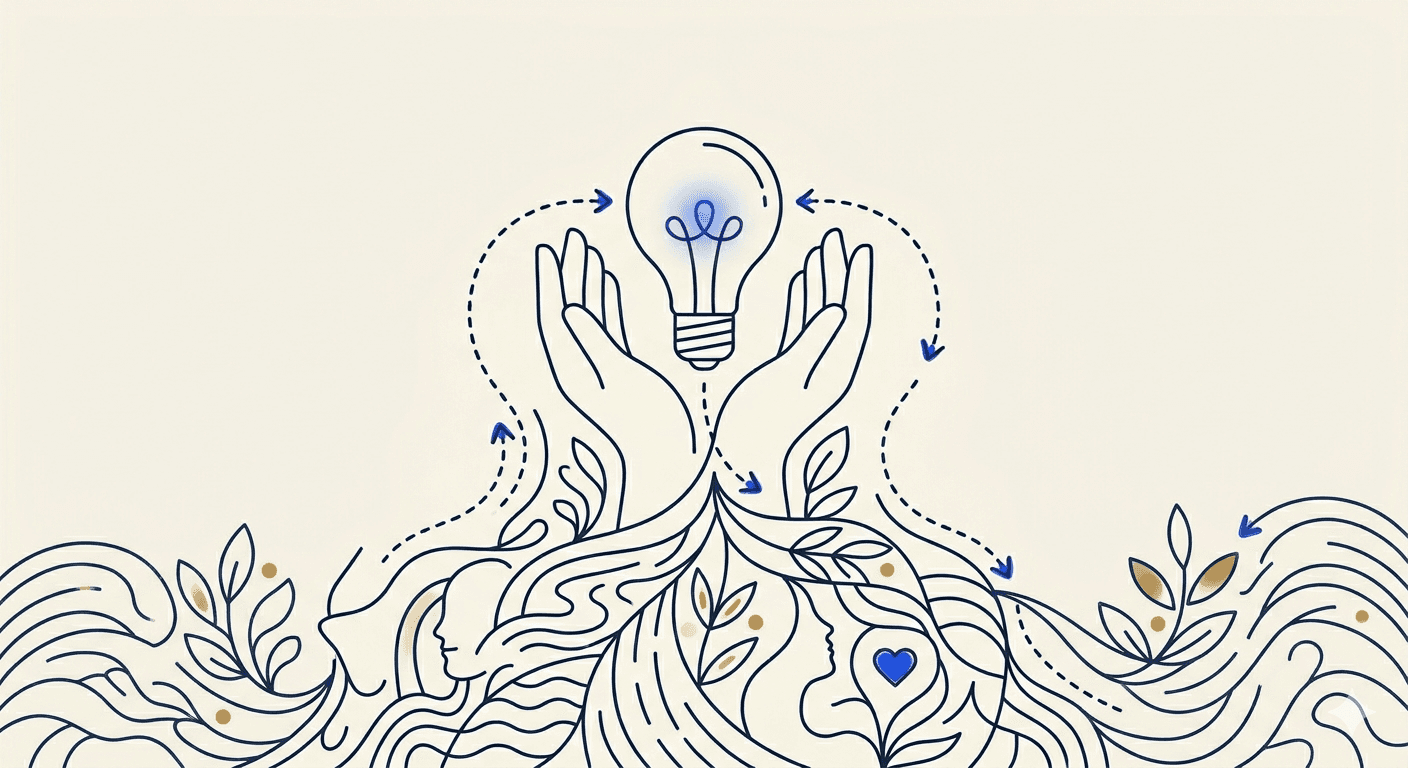
App user engagement plummets dramatically after the initial download, with 25% of users abandoning apps after just a single use. This sobering statistic reveals why understanding the psychological triggers behind user behavior has become crucial for wellness app developers. Unlike ordinary apps, successful wellness platforms leverage fundamental psychological principles that keep users returning day after day. From habit-forming techniques to carefully designed reward systems, these apps tap into both emotional and rational decision-making processes. Additionally, elements like gamification and personalization create experiences that users genuinely look forward to rather than feel obligated to use. Throughout this article, we'll examine the psychological secrets behind top-performing wellness apps and how they maintain impressive engagement rates. We'll explore the cognitive factors that influence user decisions, the power of habit formation, and how emotional design creates meaningful connections between users and their wellness journey.
Understanding the Psychology Behind App Engagement
The success of any wellness app hinges on understanding the complex psychological factors that drive user interactions. Daily behaviors in natural settings reveal much more about engagement patterns than conventional assessments that rely on infrequent evaluations and subjective reporting. This psychological understanding forms the foundation for creating experiences that keep users coming back.
Why user behavior matters
Tracking user behavior within apps provides critical insights that go far beyond basic metrics. Interestingly, how users interact with app features often predicts their long-term engagement patterns. For instance, participants who spend less time completing surveys tend to engage for longer periods and demonstrate greater commitment to wellness programs. Furthermore, researchers have found that users who show greater interest in an app typically respond more quickly to app-related activities.
These behavioral patterns matter because they directly influence retention rates. Studies show that participants with higher severity of depression symptoms at enrollment contribute significantly less data both actively and passively. Similarly, a user's age consistently impacts retention across various data streams. This understanding allows developers to identify at-risk users and implement targeted strategies to improve their experience.
Technical support also plays a crucial role in maintaining engagement. Users who receive timely resolution of technical issues, feedback, and encouragement from support teams demonstrate higher retention rates. Consequently, understanding these behavioral patterns helps developers create more effective engagement strategies.
The role of cognitive load and ease of use
Just like computers, human brains have limited processing power. When information overload occurs, user performance suffers dramatically—they take longer to understand content, miss important details, or abandon tasks entirely. This concept, known as cognitive load, significantly impacts how users interact with wellness apps.
Cognitive load comes in two important forms:
Intrinsic cognitive load: The necessary mental effort to absorb new information and track personal goals
Extraneous cognitive load: Mental processing that consumes resources without helping users understand the content
Minimizing extraneous load is essential for maintaining engagement. When confronted with too many choices, users experience decision paralysis, leading to decreased engagement . As a matter of fact, reducing visual clutter by eliminating redundant links, irrelevant images, and meaningless design flourishes significantly improves user experience.
Another effective strategy involves building on existing mental models. By leveraging interfaces that align with users' past experiences, developers can reduce the learning curve and help users reach their "aha moment" faster. Offloading tasks whenever possible—showing pictures instead of text descriptions or setting smart defaults—preserves mental resources for essential decisions.
Emotional vs rational decision-making in apps
The psychology of decision-making highlights the profound influence of both emotional and rational factors on user behavior. Research indicates that emotional responses can expedite decision-making, often resulting in quicker actions, while rational analysis tends to prolong the process. This dynamic is particularly important in wellness apps, where both immediate gratification and long-term benefits must be balanced.
Most users don't approach apps with a calm, analytical mindset. Instead, they interact while multitasking, making quick decisions based primarily on how they feel rather than what they logically understand. In essence, emotion drives virality and engagement because it spreads faster than logic.
Personalized content significantly enhances this emotional connection, with statistics showing it can boost customer engagement by up to 42%. Successful wellness apps strategically trigger specific emotions—like relief in Calm or the satisfaction of streaks in Duolingo—creating powerful psychological hooks that keep users returning.
Despite the power of emotion, effective wellness apps don't abandon rationality. Instead, they create a balanced approach where emotional engagement leads the way, followed by rational reinforcement that justifies the user's continued investment. This combination addresses both immediate emotional needs and longer-term rational goals, creating a powerful framework for sustained engagement.
Habit-Forming Techniques That Keep Users Coming Back
Successful wellness apps don't simply rely on great features—they're masterfully designed to become part of users' daily lives. The most engaging wellness platforms employ sophisticated psychological techniques that transform occasional usage into consistent habits.
The Hook Model: Trigger, Action, Reward, Investment
At the core of habit-forming app design lies Nir Eyal's Hook Model, a four-step cycle that creates habitual user behavior. This framework explains how top wellness apps become integrated into users' routines without feeling forced or manipulative.
The cycle begins with a trigger—something that initiates behavior. External triggers include push notifications, emails, or reminders, while internal triggers relate to emotional states like boredom, stress, or the desire for self-improvement. Effective wellness apps start with external triggers but ultimately aim to develop internal triggers where users automatically turn to the app when experiencing specific emotions.
Next comes the action—the simplest behavior done in anticipation of a reward. According to BJ Fogg's Behavior Model (B=MAT), action requires sufficient motivation and ability along with a trigger. This explains why successful wellness apps make initial actions incredibly simple, removing friction that might prevent habit formation.
The reward phase delivers what users seek while incorporating variability to maintain interest. Studies show that the anticipation of rewards, not just receiving them, releases dopamine in the brain. This anticipation drives continued engagement with the app.
Finally, the investment phase involves users contributing something back—time, data, effort, or money. This investment increases the likelihood of returning due to what psychologists call the "IKEA effect"—we value things more when we've contributed to them.
Variable rewards and user motivation
Variable rewards represent one of the most powerful psychological principles in habit-forming apps. This concept, rooted in B.F. Skinner's behavioral experiments in the 1950s, demonstrated that unpredictable rewards created significantly higher engagement than predictable ones.
In his experiments, Skinner observed that rats pressed a lever more frequently and persistently when rewards were variable rather than fixed. This same principle applies to human behavior in apps. Our brains release more dopamine during the anticipation of unpredictable rewards than when receiving them, creating a powerful engagement loop.
Variable rewards in wellness apps typically fall into three categories:
Rewards of the Tribe: Social validation through likes, comments, shared goals, and community features that satisfy our need for connection
Rewards of the Hunt: Information, special content, or discovering new features that appeal to our natural searching instinct
Rewards of the Self: Completion badges, streaks, and progress indicators that provide a sense of accomplishment and mastery
Apps like Strava foster engagement by building strong in-app communities, allowing users to join clubs based on shared interests. This community aspect increases user retention by 2.7 times and motivates continued app usage through social validation.
Creating routines through app usage
Transforming occasional app use into a consistent routine requires strategic implementation of habit-forming principles. Successful wellness apps create what developers call "satisfaction loops" where users open the app with an expectation, receive a reward, and are left wanting slightly more—compelling them to return.
Visibility of progress plays a crucial role in routine formation. Progress bars, completion badges, and streak counters show users they're moving forward, triggering the brain to release feel-good chemicals. This explains why tracking features are central to most habit-building apps.
Importantly, highly engaging apps don't force daily usage for every feature. Way of Life, for example, allows habits to be marked as done, not done, or skipped, which doesn't break streaks. This more realistic approach prevents discouragement when users miss occasional days.
Personalization further strengthens routine building. By analyzing user data, apps can tailor content, challenges, and notifications to individual preferences. This customization makes the experience feel uniquely valuable, increasing the likelihood of continued engagement.
The most effective habit-forming wellness apps recognize that building beneficial routines isn't about exploitation but about aligning app features with genuine user needs. By creating value while making the experience enjoyable, these apps transform from mere tools into essential daily companions.
Gamification: Making Wellness Feel Like a Game
Gamification turns wellness from a chore into an engaging experience, with 64% of mobile health applications now incorporating game design elements to boost user engagement. These game-like features tap into our innate psychological drivers, making healthy behaviors more appealing through rewards and recognition.
Points, badges, and progress bars
Although points and levels are often associated with gamification, they're surprisingly underutilized in wellness apps—appearing in only 6% and 3% of applications respectively. Nonetheless, when implemented effectively, these elements create powerful visual feedback loops. Points represent progress toward specific goals, providing immediate gratification each time users complete a task.
Badges serve as visual indicators of achievement that satisfy our inherent desire to collect and accomplish. Samsung Health exemplifies this by awarding badges for active time, sleep, steps, and exercise completion. This visual recognition creates positive reinforcement that keeps users motivated.
Progress bars, meanwhile, offer a straightforward way to track advancement. They show users how many points they've earned along a continuum and how many more they need to reach the next level. This visibility reduces the psychological distance between current state and goal achievement, making progress feel tangible.
Challenges and levels to drive consistency
Challenges create a structured framework that triggers our motivational drive for development and accomplishment . In fact, challenges appear in 63% of gamified wellness applications, making them one of the most widely implemented game elements. These challenges transform abstract health goals into concrete, achievable tasks.
Fitbit utilizes challenges effectively by creating environments where users compete with friends or pursue personal quests. This social element drives both competition and connectedness, addressing our fundamental need for social validation.
Levels build upon this foundation by rewarding users for earning specific amounts of experience points. The Plant Nanny app illustrates this concept well—users "water" virtual plants by tracking their daily water intake, watching them grow and mature as they level up. This creates an engaging experience where health goals become visual achievements.
Balancing fun with mental well-being
While gamification boosts engagement, poorly designed systems can trigger anxiety or obsession with tangible rewards. The most sustainable approach blends external rewards (points, badges, streaks) with internal drivers (identity, values, and physical feelings)
Effective wellness apps implement "soft, flexible rules" with built-in recovery and forgiveness. For instance, defining what counts as maintaining a streak—like "days with any movement"—and establishing in advance how to handle misses prevents all-or-nothing thinking that leads to abandonment.
SuperBetter exemplifies this balanced approach, using game elements to improve mental health without leaderboards or competition. Studies from the University of Pennsylvania concluded it helped reduce depression in controlled trials, demonstrating how thoughtful gamification can contribute directly to well-being rather than undermining it.
Emotional Design and Personalization in Wellness Apps
Beyond gamification and habit formation, the visual and emotional aspects of wellness apps play a crucial role in maintaining app user engagement. The psychological impact of colors, personalized content, and subtle interactive elements creates experiences that resonate on a deeper emotional level.
Using color and visuals to influence mood
Colors evoke specific emotional responses that directly impact user behavior and engagement. Studies show that blue calms users, making it perfect for meditation apps, while green represents health and balance, ideal for fitness trackers. Red energizes people, suitable for high-intensity workout applications, whereas orange boosts mood, fitting for mental health tools.
The color selection goes beyond esthetics—it serves as a powerful psychological tool. Financial service apps often use blue to evoke trust, while social media platforms prefer warmer colors that set a cheerful mood. Notably, wellness apps typically incorporate pale greens, blues, and neutral tones to create a serene environment.
Tailoring content to user preferences
Personalization transforms generic experiences into journeys that feel uniquely valuable to each user. Research indicates that 71% of consumers expect personalized experiences, with 76% expressing frustration when personalization doesn't happen. Moreover, 89% of marketers reported that app personalization resulted in increased revenue.
Effective personalization analyzes multiple data sources: user-provided information, activity patterns, biometric data, and behavioral interactions. These insights enable apps to deliver content that matches individual preferences and needs. For instance, Calm's personalization approach resulted in users being 1% more likely to complete content in the app within 24 hours of opening an email with personalized recommendations.
The power of micro-interactions and feedback
Micro-interactions—those brief, functional moments within larger experiences—significantly influence how users connect emotionally with wellness apps. These subtle elements provide immediate feedback, guide users through the interface, and add a human touch to digital experiences.
Essentially, well-designed micro-interactions serve multiple purposes: confirming user actions, communicating status, and evoking positive emotions. Haptic feedback through gentle vibrations for task completion or sound design for achievements creates multisensory experiences that keep users engaged. This attention to detail makes wellness apps feel more responsive and alive, turning routine health behaviors into emotionally rewarding moments.
Social Proof and Community Features That Build Trust
Trust drives app user engagement in wellness platforms. Building credibility through social mechanisms turns casual users into devoted community members.
User reviews and testimonials
Testimonials serve as powerful trust signals for potential users. Studies reveal that 79% of customers check ratings and reviews before downloading a new app. Moving from a three-star to a four-star rating can boost conversions by an astounding 89%. This phenomenon taps into basic human psychology—people naturally trust crowd wisdom and rely heavily on others' experiences when making choices .
Leaderboards and shared goals
Leaderboards transform solitary workouts into engaging, competitive social experiences [. Firstly, they motivate users by creating friendly competition, encouraging individuals to increase their efforts in a positive, supportive environment. Secondly, they provide clear markers of progress that keep participants motivated.
Studies indicate that users who engage with leaderboards or other game-like elements are indeed more likely to participate in physical activity. Additionally, runners receiving more kudos on platforms like Strava were more likely to continue running.
Creating a sense of belonging
Ultimately, successful wellness apps cultivate a sense of community that extends beyond mere functionality. In-app communities foster loyalty, subsequently reducing churn rates. Engaged community members typically generate valuable user-generated content, enriching the app's ecosystem.
Thoughtful implementation includes welcoming new members, establishing clear community guidelines, and promoting inclusive language. This approach creates an environment where users feel valued and understood, turning the wellness journey from a solo effort into a shared experience.
Conclusion
Psychological principles clearly drive the success of today's top wellness apps. Understanding user behavior has emerged as the foundation for creating experiences that transform occasional usage into consistent habits. While technical features matter, psychological engagement techniques make the real difference between abandoned apps and daily companions.
The most effective wellness applications strike a delicate balance between emotional and rational appeals. They reduce cognitive load, implement the Hook Model, and use variable rewards to create powerful engagement loops. Additionally, gamification elements transform health goals into enjoyable pursuits rather than obligations, though successful apps avoid creating unhealthy competition or obsession.
Emotional design goes beyond aesthetics. Color psychology, personalization, and micro-interactions create meaningful connections between users and their wellness journeys. These subtle elements, when thoughtfully implemented, make digital experiences feel more human and responsive.
Social features subsequently strengthen engagement by addressing our fundamental need for connection. User reviews build trust, leaderboards foster friendly competition, and community elements create a sense of belonging that transforms solitary health efforts into shared experiences.
Developers who master these psychological principles can create wellness apps that users genuinely look forward to using. The difference between abandoned apps and daily companions often lies not in features but in how deeply the experience resonates with basic human psychology. Wellness apps succeed when they align with users' intrinsic motivations, minimize friction, and create emotional connections that make healthy behaviors feel natural and rewarding.
Apps that make people feel something lasting will survive beyond trends.
CipherCross builds for that kind of longevity. Not apps that chase users — but experiences users choose to return to, because they feel real.
Create emotionally intelligent wellness experiences with CipherCross.
Dive into our diverse articles – from wellness app design and AI personalization to software development best practices, operational workflows, and strategic guidance.



Load More