
Top 5 Trends Shaping Digital Wellness in 2025

Volodymyr Irzhytskyi
COO & Co-founder
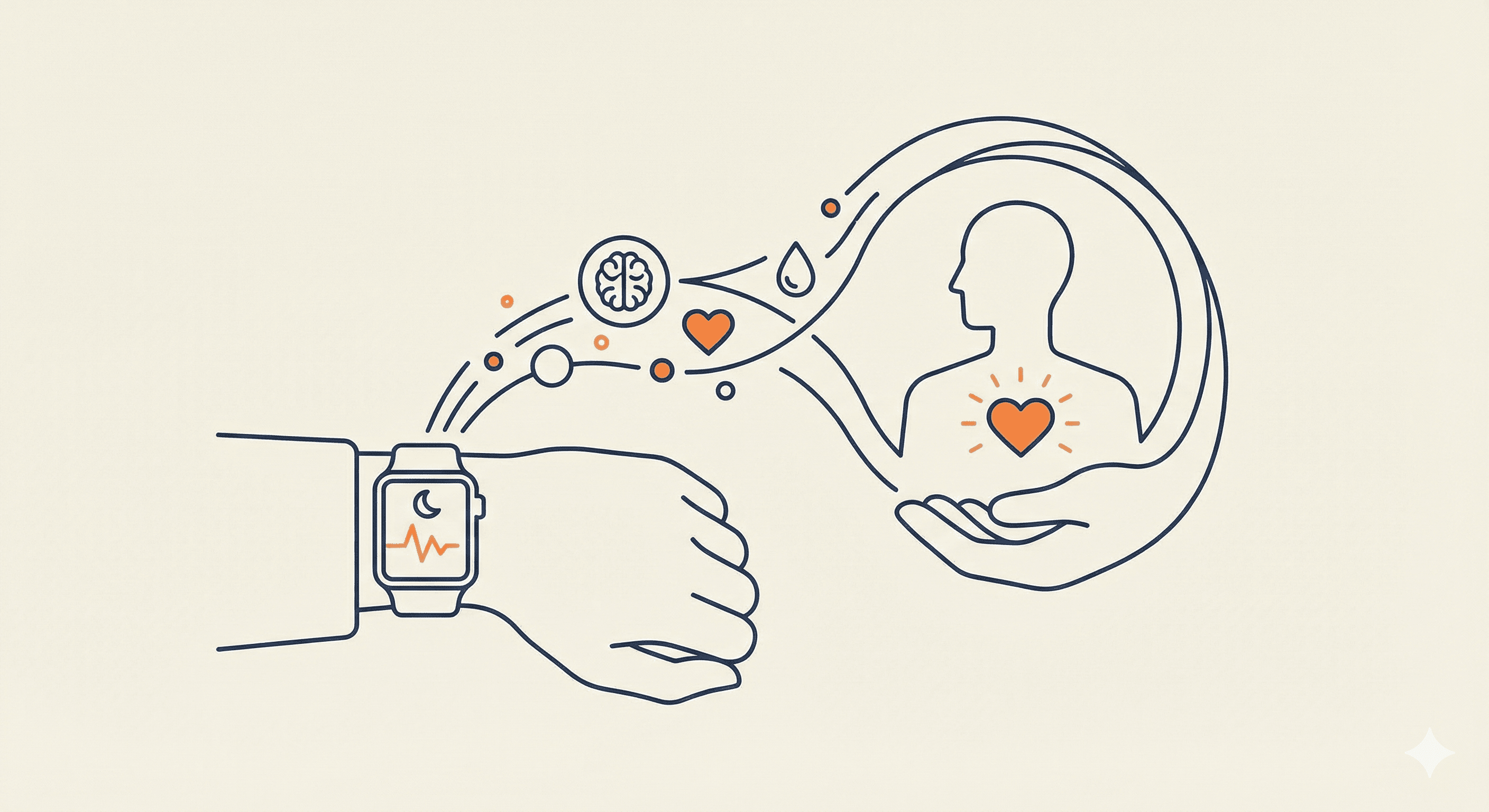
The wellness market is moving into a new era. Once purely for tracking, apps are now focusing on achieving real, lasting changes that will stick. Users are seeking support which comes across as personal rather than vague and generic. They want their products to listen, learn, and help them grow. In 2025, digital wellbeing is no longer about new features. It’s about trust, controlling your own health data, measuring actual results, not just engagement metrics. The next wave of growth is going to come from the companies that look beyond downloads. It’s going to arise when digital wellness is a long-term relationship teams working in tandem. The following five trends will help shape that future.
1. Personalized Wellness Through Real-Time Data
In 2025, personalization means more than picking a color theme or selecting a fitness goal. Wellness apps now read the user’s needs in real time. They connect data from wearables, sleep trackers, nutrition logs, and even mood journals. Then they build feedback loops that adjust advice instantly.
Users want plans that shift with their lifestyle. If they sleep poorly, they don’t want a morning workout alert. They want a slower start, a hydration reminder, or a short breathing exercise. Smart systems can now detect these moments and respond fast.
This shift comes from better access to context. Real-time sensors, integrated APIs, and advanced analytics turn raw data into daily insights. The best apps now combine signals like heart rate, temperature, and stress markers to suggest simple actions.
For wellness professionals, this means product design must evolve. Static programs feel outdated. Adaptive journeys, powered by data, become the new standard. And the bar is higher: users can spot when advice feels random or irrelevant.
That’s why teams now focus more on meaningful data than on more data. Instead of collecting everything, they define what matters most for each user type. A runner cares about recovery. A remote worker cares about posture and breaks. A new parent might care about energy balance. Personalization starts with understanding these priorities.
To succeed, startups must connect technical and human thinking. Engineers need to know how wellness works. Coaches and psychologists need to learn what data can and cannot show. Collaboration between these sides will define the quality of personalization.
This also means privacy plays a bigger role. People want custom help, but they don’t want to trade their identity for it. Transparent consent, clear data control, and anonymization are now design basics, not extra features. The companies that get this balance right will stand out in 2025.
2. AI as a Wellness Partner, Not a Coach
AI is everywhere, but users are tired of being “coached” by bots. In wellness, this means AI should act more like a partner — someone who supports choices, not replaces them.
In 2025, we see more apps using AI to reflect rather than instruct. Instead of saying “do this workout,” the app might say “you’ve been consistent this week — want to keep the same plan or try something new?” That tone shift makes a big difference. It builds autonomy, which is key for long-term habits.
AI can also make mental wellness more accessible. Many people use digital tools to check in with themselves before talking to a therapist. Emotion AI now detects stress patterns through voice tone or typing pace. It can gently suggest breaks, breathing, or journaling. These nudges help users catch early signs of burnout before they become crises.
Still, the role of AI must stay clear. It’s not a replacement for clinical help. It’s a bridge — a way to stay connected between sessions, to record emotions, or to manage simple daily actions.
The challenge for developers is to create AI that feels empathetic, not mechanical. That means better training data, human-led design, and simple language. The more natural the interaction, the more users trust it.
Another growing area is adaptive dialogue. AI can now shift tone depending on context. After a stressful day, users might want a calm tone. After progress, they might want light celebration. Emotional range makes digital support feel human.
And yet, the success of AI in wellness depends on one thing: boundaries. Users must always know when they’re talking to a machine. They should have options to delete history, skip suggestions, or pause tracking. Respect creates trust — and trust keeps people engaged longer than any algorithm.
For founders and product teams, 2025 is the year to rethink what “intelligent support” really means. It’s not about complexity. It’s about care. The AI that wins will be the one that feels like a friend who listens.
3. Holistic Health: Connecting Mind, Body, and Daily Routine
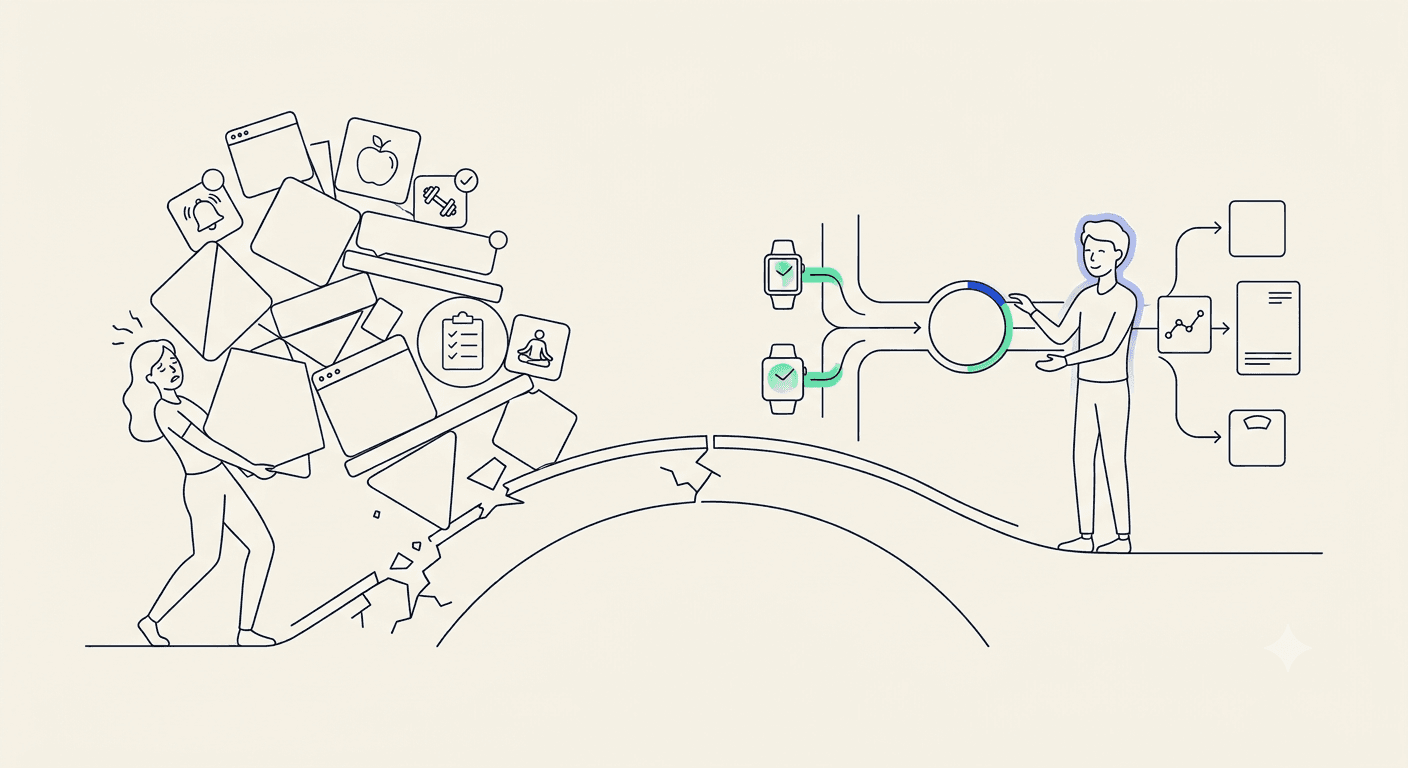
It's no longer about health and wellness bits broken apart. What users want now is a single point of view that covers all three. They don't want five different apps, they want one system which lays out for them how sleep affects mood, how stress will impact your digestion, and it adds up all these little habits so.
This push towards holistic health has been brewing away for years. But in the year 2025, that push goes main-stream. More apps now serve as wellness hubs, linking up with wearables money planners and therapy tools. They track not only what users do but also how they feel doing it.
Holistic design changes product road mapping. It's not about adding features, but rather because this feature connects these, now those can be told as a story. For example, a weekly summary might say: “Your energy was high all this week until you failed to get 7 hours of sleep.” Feedback like that is small but powerful. Data turned into insight turns the light on something that was opaque.
Today's wellness tools teams work with a salad of specialists. Nutritionists, movement analysts and behavioral psychologists all contribute to the flow for users. Each brings a chip of the puzzle. Together they create experiences which see man, not numbers. Another shift turning up expects habit layering. Users don't want big plans to follow anymore. They prefer small habits in step with their lives.
Apps offering simple daily steps like complete self-care: a five minute stretch, a hello note to the guardian angel, take 10 sips of water between meals–these are the ones people like better and will use more habitually back home on home soil! This makes up for the seemingly small actions bit subconsciously creats self-image; it collapses together. Users can feel progress and take heart from what one under-rated thing in any field ‘psych’ would be to share that with others Thus the stage set for Prescott's next theme: Do Less To Get Well!
This also means that technology should learn to take things more gently too. Not every alert has to be an emergency, after all. Quiet changes can add up until they are quite a thunderclap.
In design, giving users plenty of room in which to operate becomes one part of great software. At the same time that more lifestyle-friendly content of flexible inclusion. Now successful mobile products must provide different living environments with the same energy that is flexible living for persons!
When wellness bleeds into everyday life, successful apps will be those that fit in with life. Not something extra like an extra burden on top of your schedule, but actually part of it.
4. Privacy as a Core Wellness Feature
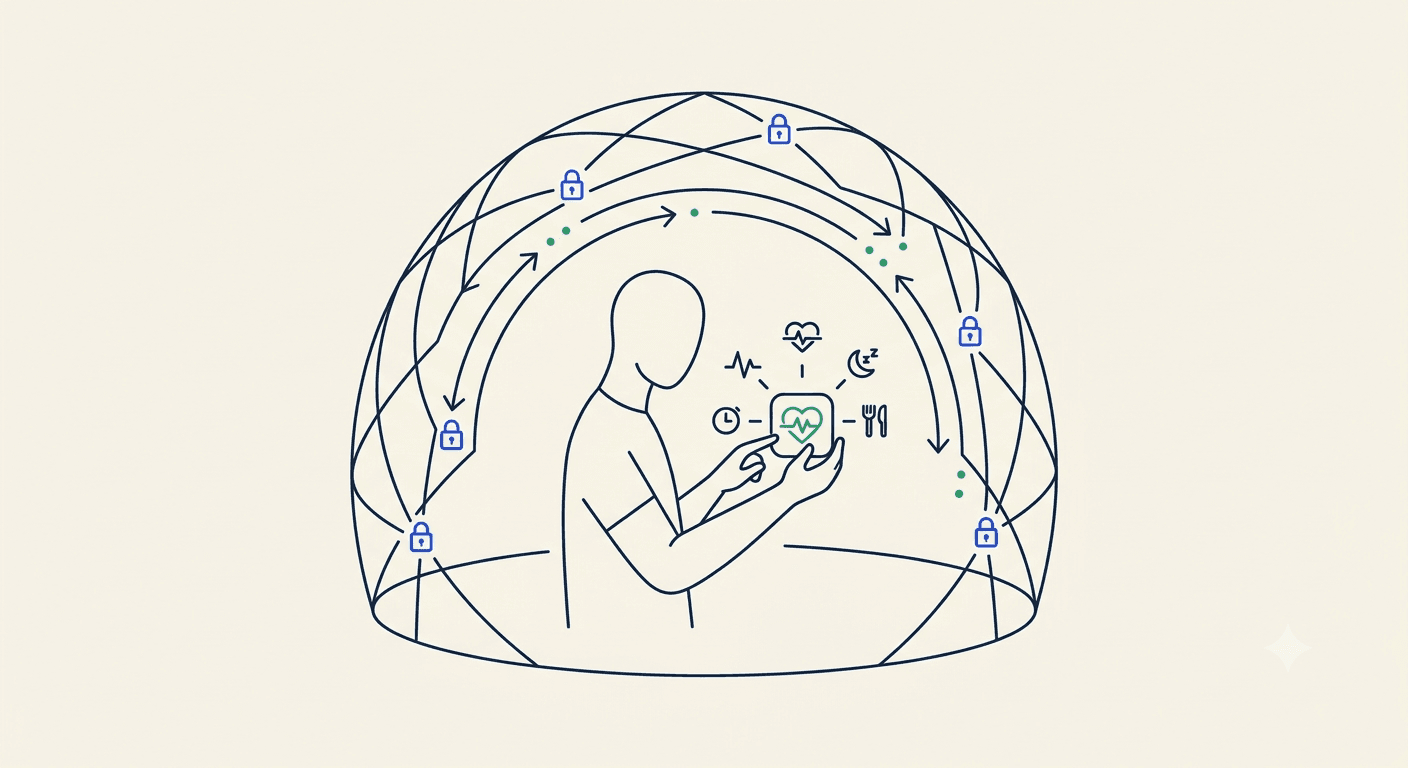
From 2025 on, privacy shifts from policy pages to the product design phase. Wellness apps handle some of the most personal information people can provide — their heart rate, sleep patterns, emotions and stress levels. Users increasingly view privacy not as just a legal term, but as part of mental hygiene.
People want to know everything: Who watches me? How long is it saved for? Can I get rid of it? Can I use the app offline? These are no small matters. They shape trust
Forward-thinking teams now treat privacy as part of the user experience. They test consent flows, create clear dashboards, and explain settings in plain language. They avoid dark patterns. Users have real control over their own data — export, delete, or opt out.
Such transparency earns trust. People stay longer when they feel secure. They engage more deeply. They recommend the product.
In turn, privacy is turning into a competitive edge for industries. Regulators tighten rules across different regions. Apps that can conform at an early stage gain an edge. Security architecture, anonymous data and clear documentation have all entered into the value proposition.
In reality, however, privacy is not only matter of law but also a matter of feeling. Many people use wellness apps when they are under particular — mental strain. They talk about anxiety, burnout, loneliness. If they feel that their words maybe misused, they shut down. Respecting boundaries is potentially healing.
To design things with feeling, a team should not only think about encryption. They must design with empathy. They need to know what people are afraid of. Wrap the design around this. Show which data stays local. Explain why there is collection. Transparency is the new currency in trust.
In short, privacy now determines the quality of wellness itself. Apps which protect data protect the peace of mind itself.
5. Measurable Impact: From Engagement to Outcomes
Wellness apps used to be all about daily streaks, likes and badges. By 2025, though, such numbers feel empty. Users and investors hope instead for evidence of some real change.
Did stress levels really go down? Sleep improve? Did the process of continued improvement follow on from how well one was living, rather than just pressure itself?
The move to concrete results has matured the industry. Both companies and academic institutions team up now, conducting pilot tests and research. They report what works and what doesn’t.
Formerly, for an entrepreneur this meant a switch in marketing too. One had to prove claims with data, not slogans. If those figures are honest and can be broken down into real practical tips then users will put their trust in them.
It should easily be within a platform’s capabilities to show how any short-term action connects with the user’s ultimate long-term objectives. At the moment, if you measure a month of continuous respiration this way then it doesn’t mean very much. But if then you compare what happened with your mood etc.
In future the winner apps of health tracking-based scores. More than one kind of signal input — wakefulness as you get up in bed,your current activity quota for the day or night hour and how much rest you've got today,also emotional state at the moment--can be factored into rankings on.
Furthermore, unlike the old systems, the developers of this software are always asking what any particular score means. Instead of saying "Your score is 609," they say "How it feels right now is much better because you've been able to rest over these past few days." Even the spread of this new output idea causes one to feel differently about industry profits and business form. Nowadays investors prefer platforms that have already demonstrated their worth in healthcare. The largest examples are providing services to insurers, hospitals and big companies.
Users ' health the business models of care are turning increasingly digital yet integrating man.To keep track of how well they are doing, numerous teams are installing "human monitoring" points-coach looking down the data trends, and then adjusting strategy.
The digital treatment system thus maintains its judiciousness and human touch.The ultimate winner is whoever makes apps capable of improving health as well as users.
The Bigger Picture: Building Digital Wellness That Lasts
Against this background, five trends not only — personalization, AI cooperation, holistic care, safety and dimensionality — drive forward the age of maturity. Digital health field is growing up. It is going from quick fixes to deeply rooted relationships.
The technologies of 2025 are less concerned with what is possible than what is useful to people. They take into account their time, the context in which they live and work, and who they are. They don't just record behavior; they help direct it in healthy directions.
The answer for those teams building in this space is autonomy. Treat wellness like trust. Earn it, guard it and let it guide ones designs.
This progress is also better assistance for users in real need. Tools that suit life. Support that has a gentle touch. Data which goes back to them.
Digital wellness in 2025 is not about adding one more feature. It's the first step toward human-centered care — propelled by technology, rooted in empathy.
Dive into our diverse articles – from wellness app design and AI personalization to software development best practices, operational workflows, and strategic guidance.



Load More